Dry vs wet vs fresh dog food: the honest comparison
Dry, wet or fresh? An honest comparison of the three ways to feed your dog, with pros and cons, food amounts in grams and what the studies show.
By the DoggoMeal editorial teamPublished Updated 7 min read
In short
There's no single best type of food: dry food is affordable and practical, wet food provides a lot of water and many dogs prefer the taste, and fresh food is minimally processed, but only balanced with a properly calculated ration. What matters is the amount: a neutered, normally active 10 kg dog needs around 630 kcal – that's about 175 g of dry food, 630 g of wet food or 485 g of home-cooked food a day.

Nami has been eating freshly cooked food for almost 3 years. We once tried dry food while we were travelling – after 2 days, she had soft stools again. Since then, fresh has been the standard.
There's no single best type of food. Dry food is affordable and practical, wet food provides a lot of water and many dogs prefer the taste, and fresh food is the least processed – but only balanced if the ration has been properly calculated. What matters for your dog's health is a complete food and the right amount: a neutered, normally active 10 kg dog needs around 630 kcal a day, whichever bowl it comes from.
This question comes up in our community almost every day. Today, we'll go through the three big camps calmly and objectively – without the marketing waffle.
The amount comparison: same energy, very different grams
The three types of food differ mainly in their water content – and therefore in their energy density. For a neutered, normally active dog (resting requirement 70 × body weight^0.75 × 1.6), it looks like this:
The energy density of your food is on the packaging and takes priority. With this figure, you can work out the food amount for your dog.
Dry food: practical, affordable, heavily processed
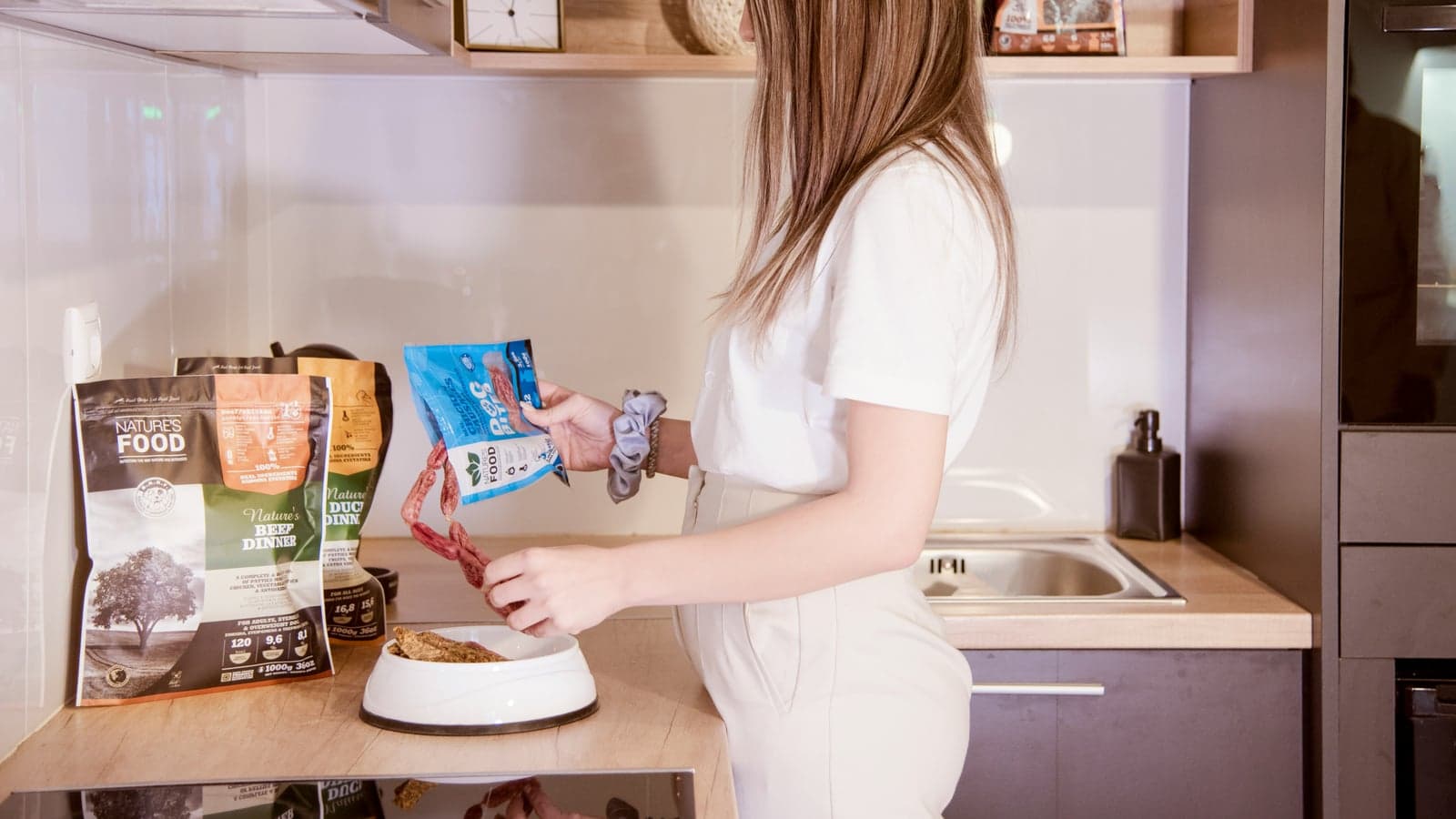
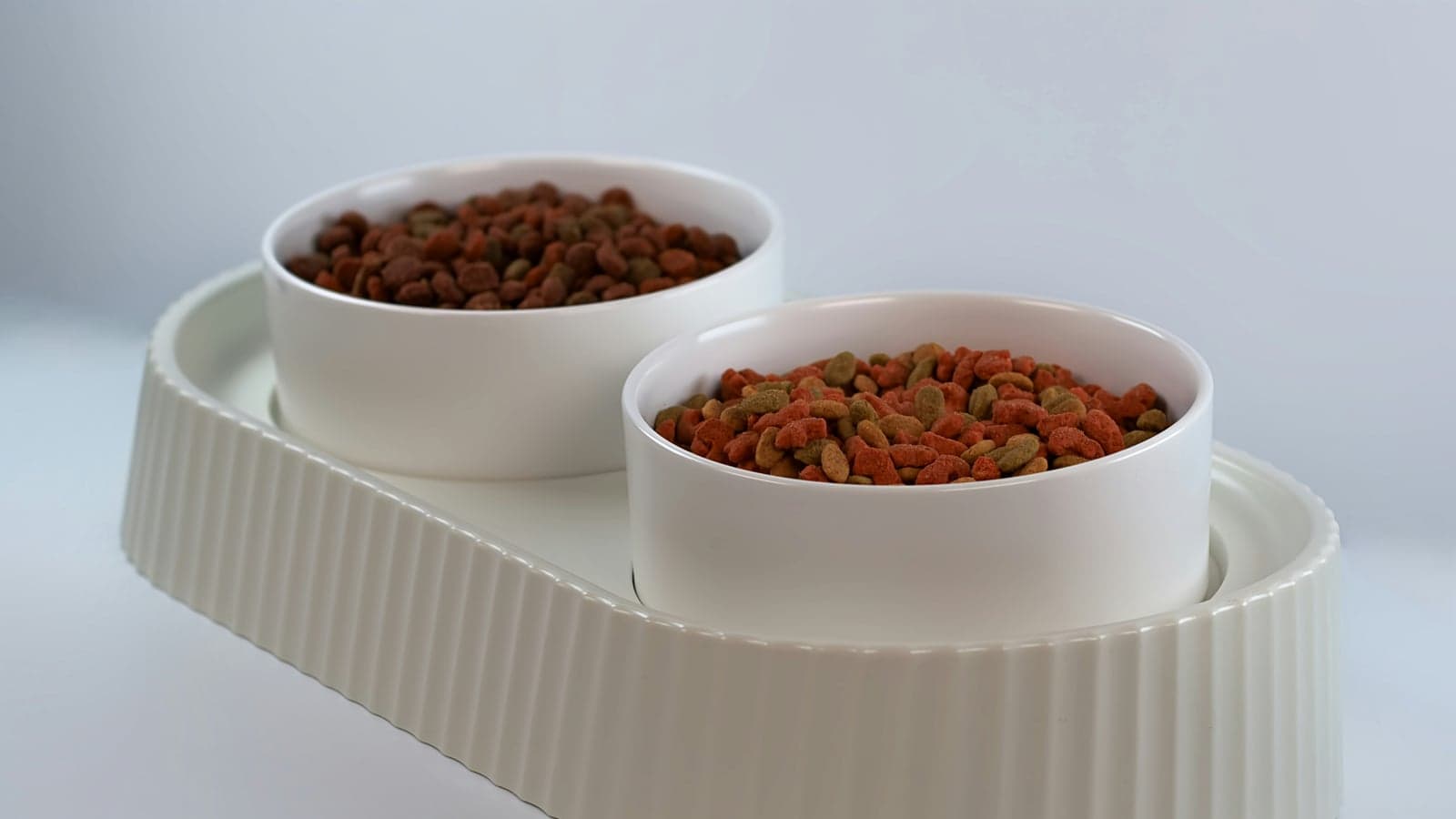
Dry food is affordable, keeps for a long time, barely smells and is easy to portion precisely. During production, the ingredients are extruded under high pressure and at high temperature and then coated with fat and vitamins.
Strong heating produces what are known as Maillard products. Whether they harm dogs in the long run hasn't been established – it's an open research question, not a reason to panic.
What to check when you buy: does it say “complete food”, and does it suit your dog's life stage? Claims such as “60% fresh meat” say little, because fresh meat consists largely of water, which evaporates during production. The WSAVA also recommends choosing manufacturers who employ qualified nutrition experts and test their recipes.
Who is dry food right for? If you're short on time, travel a lot or feed several dogs. A neutered 25 kg crossbreed needs about 345 g a day.
Wet food: the underrated middle ground
Wet food is around 70 to 80% water. So dogs that don't drink much automatically get more fluid – which is helpful for senior dogs and with some illnesses. When it comes to taste, wet food wins over many fussy dogs.
Watch out for the label: “with chicken” only means at least 4% chicken, “rich in chicken” at least 14%, and with names such as “chicken dinner” it's at least 26%. Hardly anyone knows these rules.
Because wet food contains so much water, you need considerably more of it: at 100 kcal per 100 g, a neutered 25 kg dog comes to around 1,250 g a day. That usually makes wet food expensive as the sole food for large dogs.
Fresh food: minimally processed, but demanding
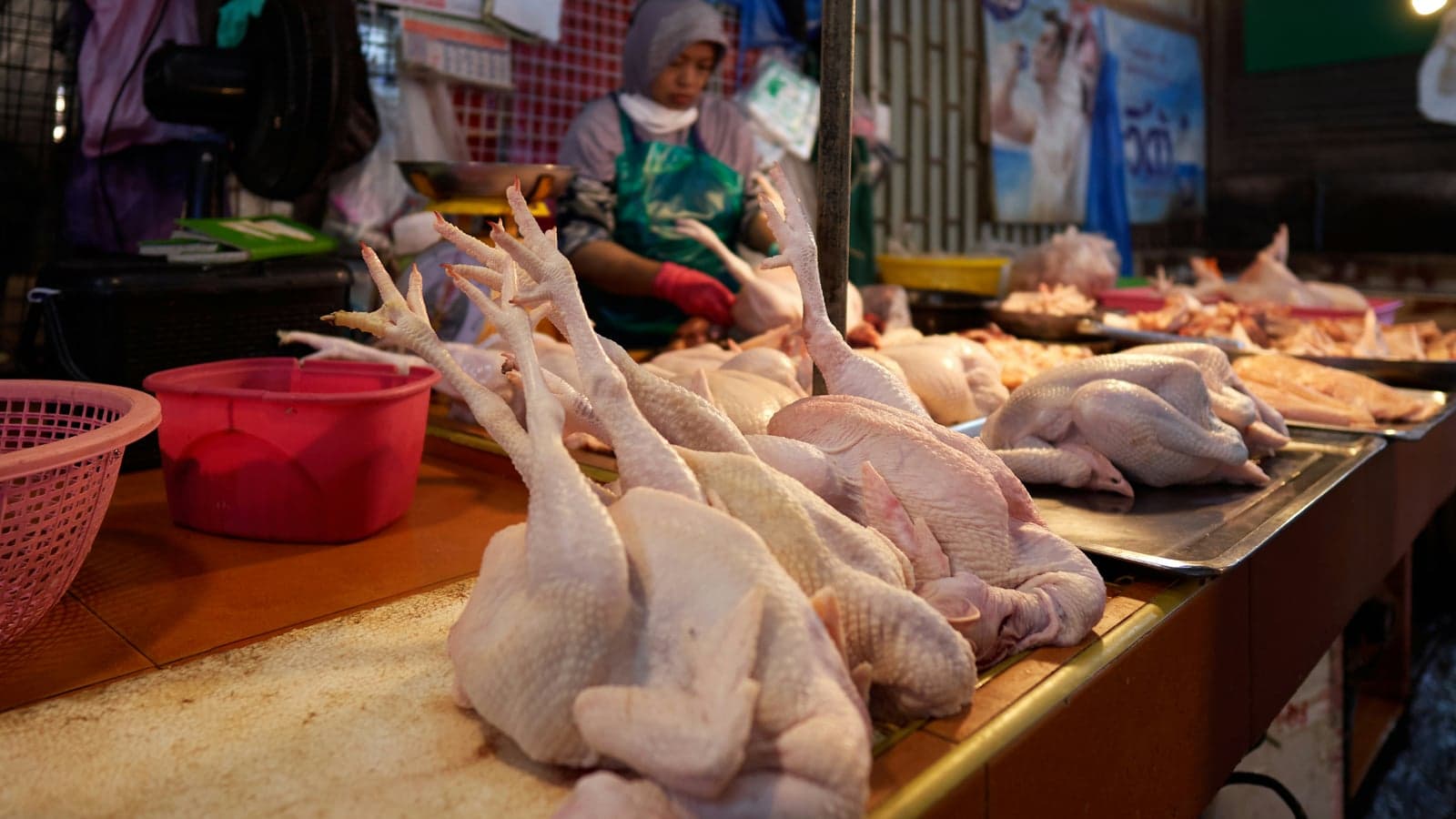
Fresh food means cooked or gently prepared meals made from fresh ingredients – home-cooked, or delivered as ready-made meals, either chilled or frozen.
And the studies? People often quote a study claiming that dogs fed fresh food live 32 months longer. That figure comes from a Belgian owner survey that wasn't published in a peer-reviewed journal. Finnish observational studies show associations between minimally processed food early in life and fewer allergy or gut problems – nothing more. What the data really shows is covered in our guide to fresh food and life expectancy.
The biggest hurdle with home cooking is balance: calcium, iodine, zinc and vitamins have to be added deliberately. According to the WSAVA, raw feeding (BARF) offers no proven health benefit over balanced cooked rations, but it does bring additional hygiene risks.
What does this mean for you?
- Tight budget, often on the go? A good complete dry food is a solid choice.
- Fussy eater or reluctant drinker? Wet food, at least for one meal.
- Want to feed fresh and have the time? Home-cooked or ready-made fresh food – with a properly calculated ration.
Many people in our community combine them: one meal of dry food, one meal of fresh. That's absolutely fine, as long as you split the amounts by calories. What each option costs is shown in our guide to the cost of home-cooked dog food.
The crux: it has to meet your dog's needs
Whichever option you choose, the ration has to suit your dog. An 8 kg Yorkshire Terrier needs different amounts from a 35 kg Rhodesian Ridgeback. For the amount by type of food, start with the food amount calculator; if you want to cook fresh, the fresh food calculator is a better fit.
The DoggoMeal app works this out for you automatically: put in breed, age, weight and activity, and get the daily ration out – whether dry, wet or fresh. Get the app
Matching calculators, free in your browser
Frequently asked questions
Is dry food really worse than fresh food?
Not automatically. Dry food is more heavily processed, but a good complete food covers all the nutrients. Fresh food is less processed but has to be put together carefully. There's no evidence that any one type of food helps dogs live longer – a good dry food is better than an unbalanced fresh food.
Can I mix dry and wet food?
Yes, that's common. What matters is splitting the amounts by calories: if you give half the requirement as wet food, you also halve the dry food. For a 10 kg dog with around 630 kcal, that would be about 315 g of wet food plus just under 90 g of dry food.
How expensive is fresh food by comparison?
Dry food is usually the cheapest per day because it's so energy-dense. Wet food and ready-made fresh food cost considerably more, because you're buying many times the weight for the same calories. Home-cooked food falls in between or above, depending on the ingredients – there's an example calculation in our guide to the cost of home-cooked dog food.
Sources
This article is based on the following expert sources. You can read how we work under Editorial team & methodology.
- Guidelines on Selecting Pet Foods – WSAVA Global Nutrition Committee
- Raw Meat Based Diets for Pets – WSAVA Global Nutrition Committee
- Nutritional Guidelines for Complete and Complementary Pet Food – FEDIAF – European Pet Food Industry Federation
Less maths, more cooking.
The article tells you what matters. The DoggoMeal app turns it into a recipe with gram amounts to suit your dog's weight, age, activity and allergies.
- Dog profile
- Recipes with gram amounts
- Allergy warnings
- Doggopedia
Free · no subscription · every feature included


DoggoMeal editorial team
DoggoMeal is a dog nutrition app, founded and run by Kim Marques. Nami, our Shiba, is part of everyday life – her experiences with food changes, bland diets and the like appear in many articles as personal examples.
Our content follows the recommendations of the NRC, WSAVA and FEDIAF. You'll find the sources for this article above under “Sources”. The articles are no substitute for veterinary advice – if your dog has symptoms, please talk to your vet.