Does fresh food help dogs live longer? What studies show
Does fresh food help your dog live longer? What studies really show – from the DogRisk project to the Labrador study – and what is proven to help.
By the DoggoMeal editorial teamPublished Updated 7 min read

In short
There's no evidence that fresh food extends a dog's life: the often-quoted “32 months longer” comes from a Belgian owner survey that wasn't published in a peer-reviewed journal. Observational studies from Finland (DogRisk) only show associations, such as fewer allergy and gut problems in dogs fed minimally processed food when young. What is well established, by contrast: slim dogs live longer – in a Labrador study, by a median of just under two years.

Nami is 2.5 years old and hasn't had a vet emergency for 1.5 years – before that, there was an appointment every few weeks because of itching. Fresh food makes the difference.
So far, there's no evidence that fresh food extends a dog's life. The often-quoted “32 months of extra life” comes from a Belgian owner survey from 2003 that wasn't published in a peer-reviewed journal. What studies do clearly show: slim dogs live longer – and fresh food only helps if the ration is balanced.
The question “does fresh food extend a dog's life?” is hotly debated in the dog world. Let's take an honest look – no hype, no marketing: what does the data really say?
Where the “32 months” come from
Online – including on pet food companies' websites – you often read that dogs fed home-cooked food live almost three years longer. The figure goes back to an analysis of owner reports from Belgium (2003). It wasn't published in a peer-reviewed journal, the data is based on owners' recollections, and other influences such as size, breed, weight or veterinary care can hardly be separated out. That's why it doesn't hold up as evidence.
What the DogRisk project actually studied
At the University of Helsinki, the DogRisk project has been collecting questionnaires from dog owners about feeding and health for years. Two analyses are often quoted:
- Allergy and itching: in a study of 4,022 dogs, dogs that as puppies were given more than 20% raw food or less than 80% dry food had fewer owner-reported allergy and itching symptoms as adults.
- Chronic gut disease: dogs that were fed mainly minimally processed, meat-based food as puppies and adolescents were later less likely to have owner-reported chronic gut disease. Dry food during this period was associated with a higher risk.
Important for putting this in context: both are observational studies based on questionnaires. They show associations, not cause and effect – owners who feed fresh food probably differ in other ways too. And these studies say nothing about life expectancy.
What has been proven to extend life: staying slim
Here, the evidence is much stronger:
- Labrador study: 48 Labrador Retrievers were fed in pairs from eight weeks of age – in each pair, one dog got 25% less food than its partner. The leaner dogs lived a median of just under two years longer, and chronic diseases appeared later in them.
- Large-scale practice data: in an analysis of more than 50,000 neutered dogs from twelve breeds, overweight dogs lived shorter lives than dogs of normal weight in every breed.
In practice, this means: whether you feed dry, wet or fresh food – the right amount is the biggest lever. The fresh food calculator shows how much that is for your dog, and if they're already carrying too much weight, our guide to helping your dog lose weight will help.
What's being discussed about fresh food
Three ideas come up again and again in discussions – none of them has been proven for life expectancy in dogs:
Microbiome: food influences the gut flora, and fresh and heavily processed diets encourage different bacteria. Whether this changes health in the long term remains open.
Processing products: strong heating creates what are known as Maillard products. They have been linked to various diseases, but for dogs there's no evidence that they reduce life expectancy.
Heat-sensitive nutrients: some vitamins suffer when heated. Good complete foods make up for this – and home-cooked food has to as well.
The biggest pitfall: unbalanced rations
Fresh food doesn't automatically mean healthy. One study analysed 200 published recipes for home-cooked dog food: in 95%, at least one essential nutrient was missing in sufficient amounts. Typical gaps are calcium, zinc, iodine and certain vitamins. Chicken and rice alone – the bland diet classic – isn't enough in the long run.
That's why you need:
- a sensible split between meat, vegetables and carbohydrates
- a source of calcium and a suitable mineral supplement
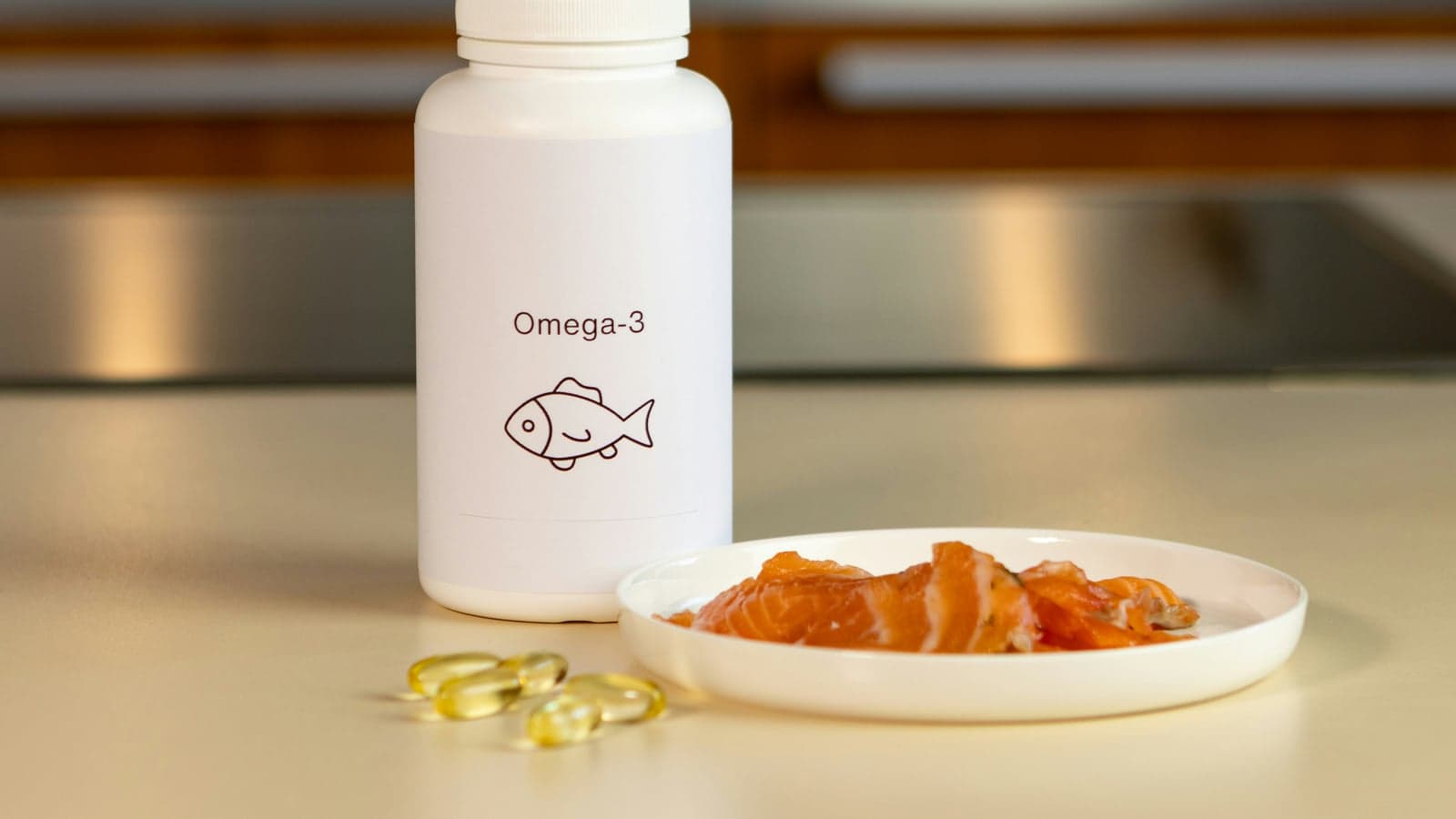
- a source of omega-3 such as salmon oil
- a recipe that has been fully worked out at least once
What this looks like for getting started is explained in the beginner's guide to home cooking. You'll find a comparison of feeding types in dry food, wet food or fresh food.
What does this mean for you in practice?
You don't have to throw everything out. Two approaches work well:
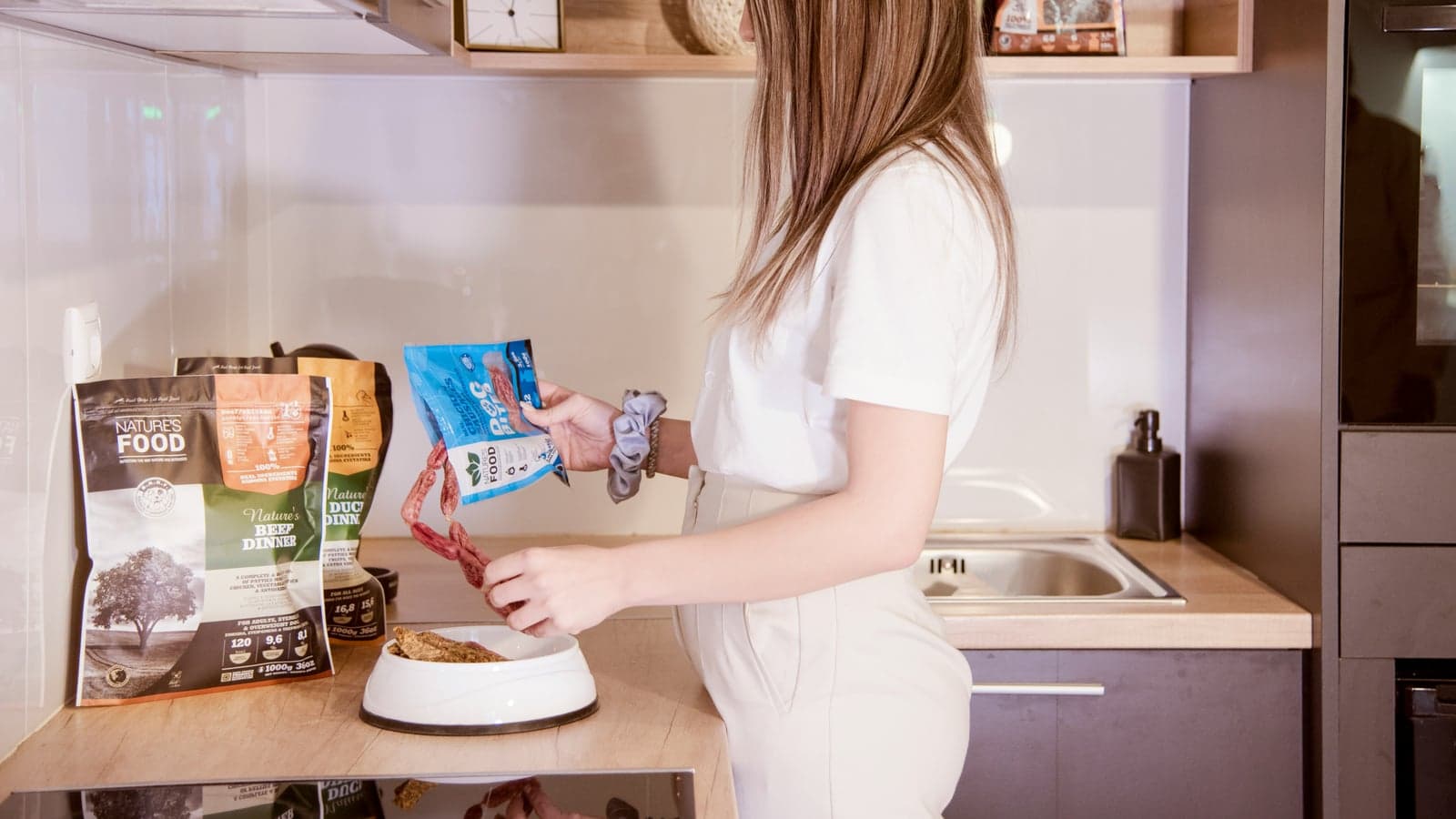
- One fresh meal: for a neutered, normally active 10 kg dog (around 630 kcal a day), you might replace half, for example: around 240 g of home-cooked food plus just under 90 g of dry food.
- Topping: a little cooked vegetable, meat or an egg on top of the usual food – deduct the calories from the main food.
Conclusion without the hype
Does fresh food extend a dog's life? So far, there's no evidence for that. Fresh food can be a good choice if the ration is balanced and your dog enjoys eating it. The only thing that's certain: a slim dog fed the right amount has the best chance – whichever bowl they eat from.
The DoggoMeal app calculates fresh recipes for your dog: calcium, phosphorus, omega-3, vitamins – all at a glance and tailored to their weight. Get the app
Matching calculators, free in your browser
Frequently asked questions
Is it true that fresh food gives a dog 32 more months of life?
There's no evidence for it. The figure goes back to a Belgian owner survey from 2003 that wasn't published in a peer-reviewed journal. More recent studies from Finland show associations between minimally processed food when young and fewer allergy or gut problems – they say nothing about life expectancy.
Do I have to switch completely to fresh food?
No. What matters is that the overall ration is balanced and your dog stays slim. For example, you could freshly cook one meal a day and keep the other as your usual complete food – the calories of both parts together have to match your dog's requirement.
Is grain-free dry food just as good as fresh food?
Grain-free says nothing about how heavily a food is processed or whether it's balanced. What counts for health is a complete food that meets your dog's needs and a healthy body weight – whether dry, wet or fresh.
Sources
This article is based on the following expert sources. You can read how we work under Editorial team & methodology.
- Puppyhood diet as a factor in the development of owner-reported allergy/atopy skin signs in adult dogs in Finland – Hemida et al., Journal of Veterinary Internal Medicine (2021), PubMed Central
- The effect of puppyhood and adolescent diet on the incidence of chronic enteropathy in dogs later in life – Vuori et al., Scientific Reports (2023), PubMed Central
- Effects of diet restriction on life span and age-related changes in dogs – Kealy et al., Journal of the American Veterinary Medical Association (2002)
- Evaluation of recipes of home-prepared maintenance diets for dogs – Stockman et al., Journal of the American Veterinary Medical Association (2013)
Less maths, more cooking.
The article tells you what matters. The DoggoMeal app turns it into a recipe with gram amounts to suit your dog's weight, age, activity and allergies.
- Dog profile
- Recipes with gram amounts
- Allergy warnings
- Doggopedia
Free · no subscription · every feature included


DoggoMeal editorial team
DoggoMeal is a dog nutrition app, founded and run by Kim Marques. Nami, our Shiba, is part of everyday life – her experiences with food changes, bland diets and the like appear in many articles as personal examples.
Our content follows the recommendations of the NRC, WSAVA and FEDIAF. You'll find the sources for this article above under “Sources”. The articles are no substitute for veterinary advice – if your dog has symptoms, please talk to your vet.