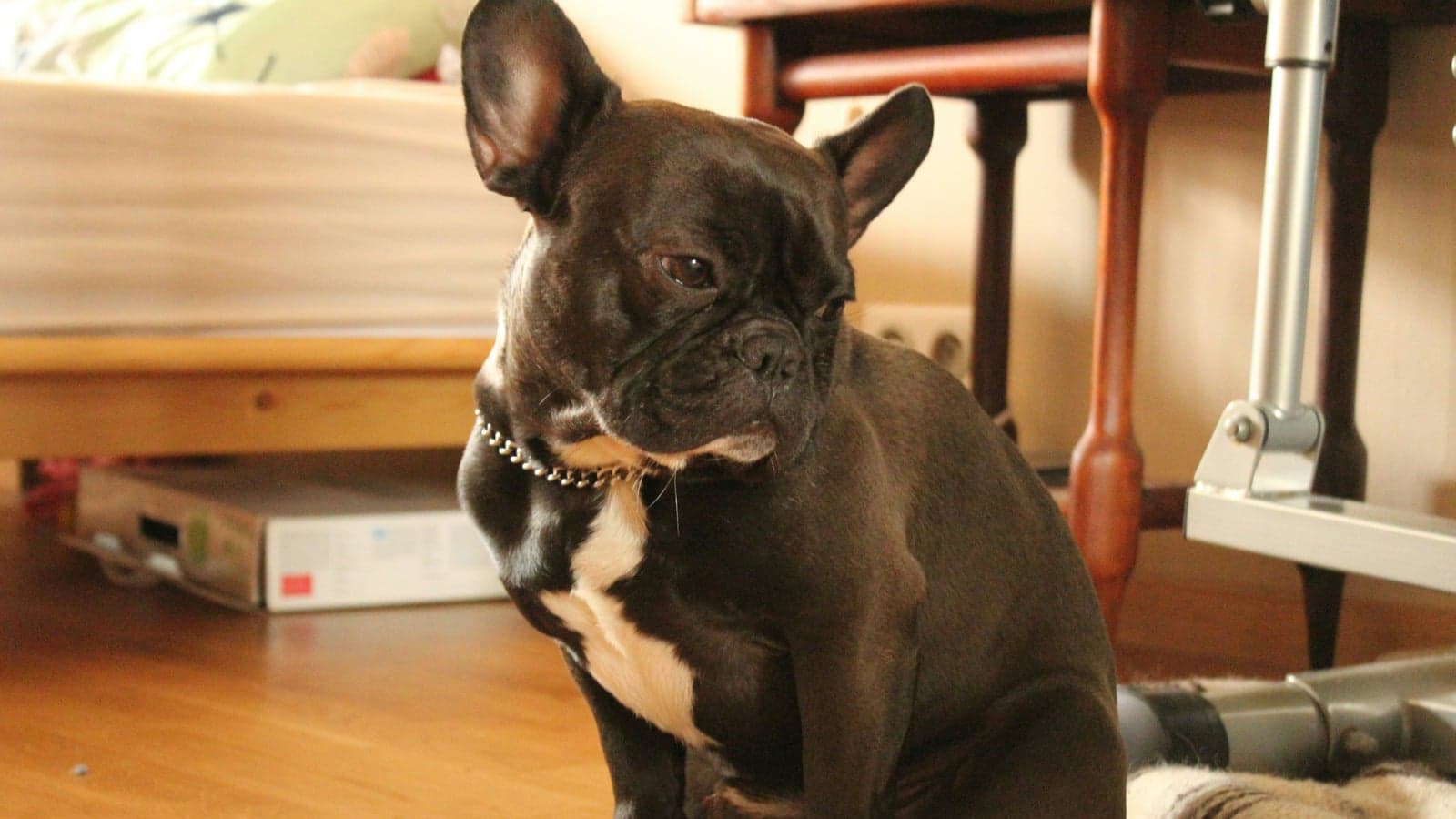
Dog suddenly not eating? 7 reasons and what to do
Your dog has stopped eating? 7 common reasons, from stress and heat to toothache, a simple self-check and when you really need to see the vet.
By the DoggoMeal editorial teamPublished Updated 5 min read
In short
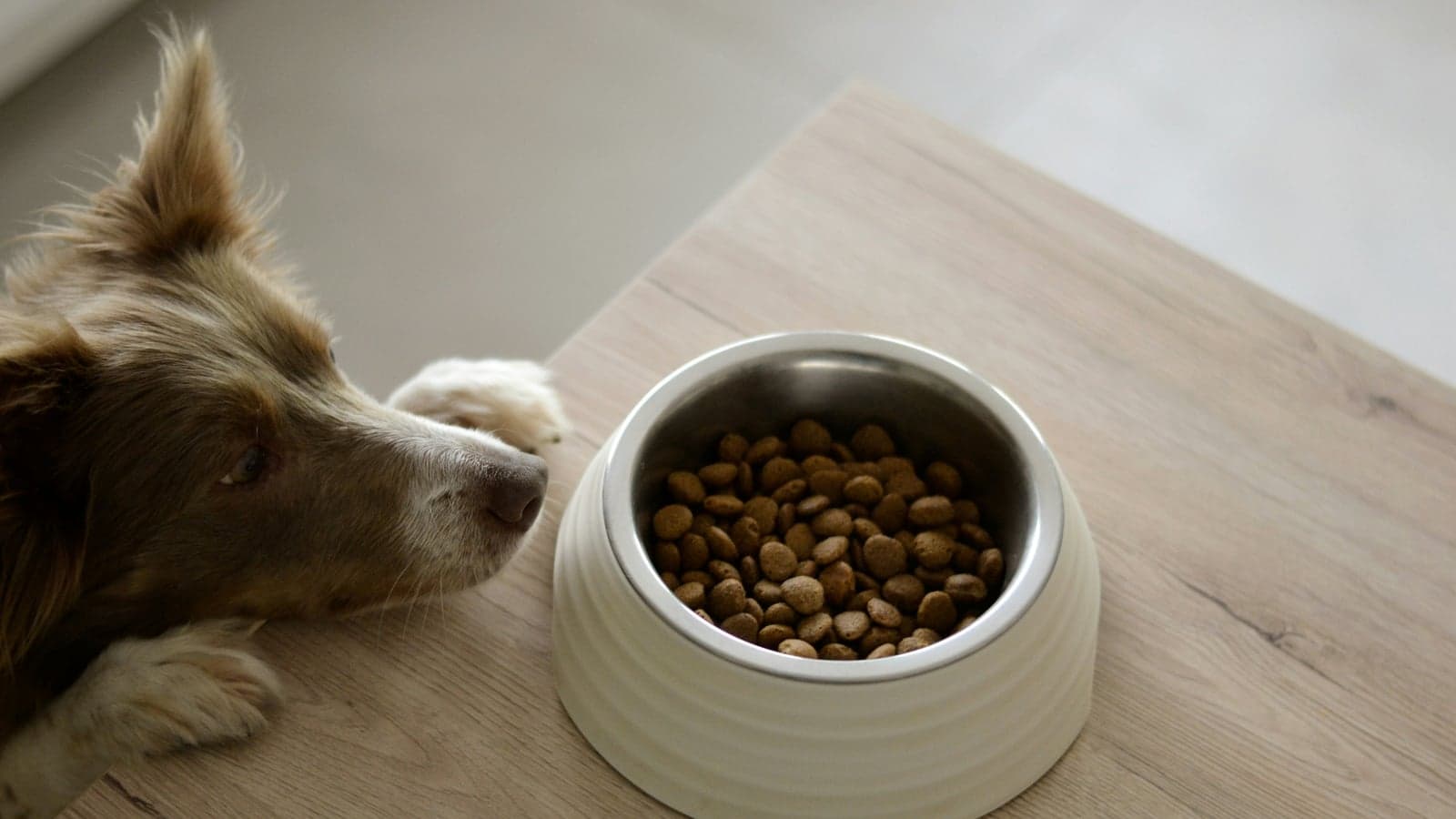
If an otherwise fit adult dog skips a meal now and then, it's usually not an emergency – common reasons are stress, heat, too many treats in between meals or an upset stomach. If they eat nothing at all for more than 24 hours, or if vomiting, diarrhoea, pain or lethargy come on top, they need to see a vet; puppies and very small dogs after just 8 to 12 hours.
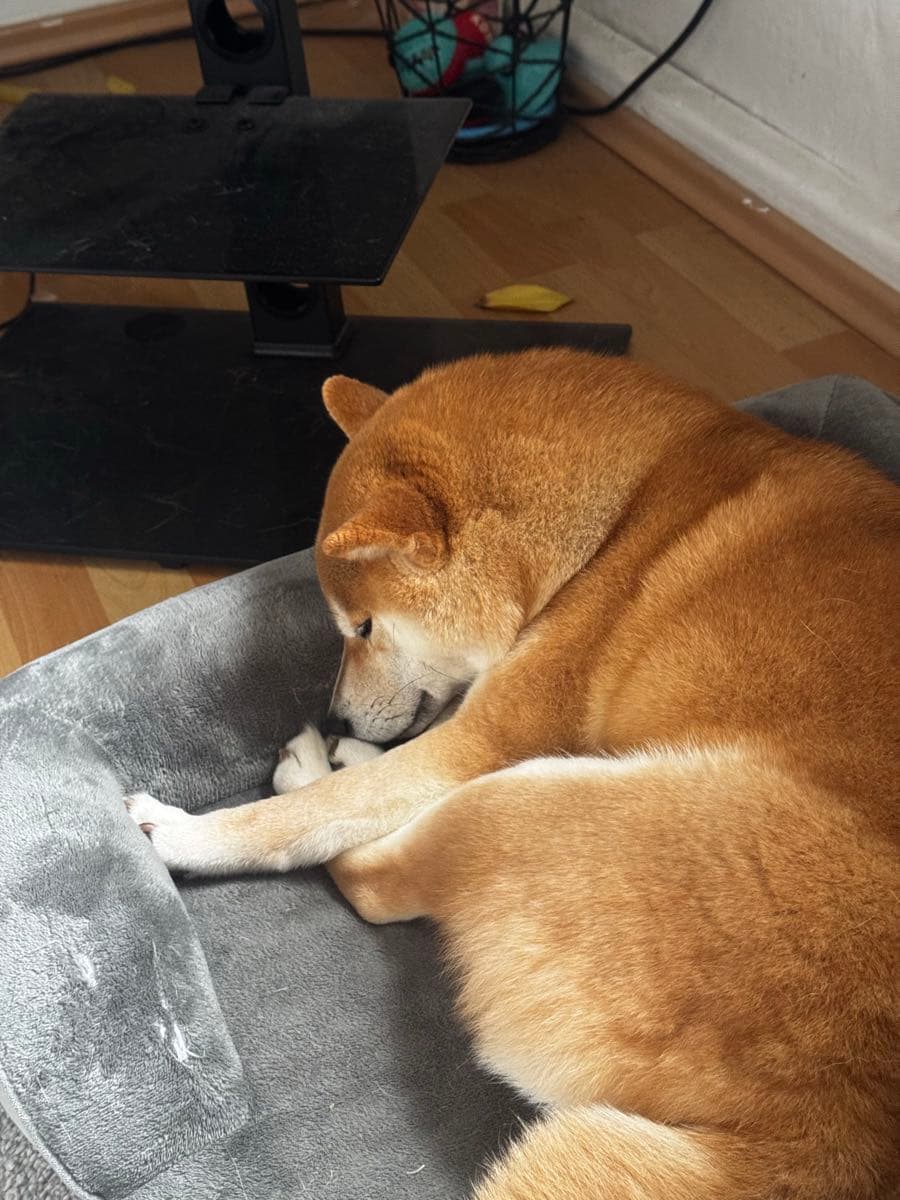
As a puppy, Nami went through a phase of refusing her main meal. We had to learn patience – treats only come AFTER the main meal, otherwise the whole strategy falls apart.
If an otherwise fit adult dog skips a meal, it's usually not an emergency. Common reasons are stress, heat, too many treats in between meals or an upset stomach. If they eat nothing at all for more than 24 hours, or if vomiting, diarrhoea, pain or lethargy come on top, they need to see a vet – puppies and very small dogs after just 8 to 12 hours.
Picture this: this morning your Bernese Mountain Dog stands in front of her full bowl, sniffs once and walks away again. Yesterday she was still pouncing on every last crumb. First of all, take a deep breath.
The key question is: what exactly is different? Here are the 7 reasons we see most often in our community – and what you can do in each case.
1. Stress or changes in everyday life
A house move, a new flatmate, visitors over the weekend, a bang on New Year's Eve, a trip to the vet the day before. Dogs are creatures of habit. Even a new sofa can be enough to make a sensitive Poodle eat less for two days.
What you can do: bring back the routine. Same place for the bowl, same time, peace and quiet while eating. No discussions, no coaxing – that tends to make it worse.
2. Heat
In warm weather, many dogs eat noticeably less, and on very hot days sometimes hardly anything. Dogs with thick coats such as Huskies or Australian Shepherds, and short-nosed breeds, are particularly sensitive.
Move the main meal to late in the evening, when it's cooler. During the day, a small portion or a frozen Kong with wet food is enough. Always provide fresh water.
3. You topped up too soon
A classic: your dog didn't eat at 7 o'clock, so at 8 you add something tasty, and at 9 a piece of sausage. You've just taught them that refusing pays off.
Leave the bowl down for 15 minutes, then take it away. Next meal at the usual time. No snacks in between. A healthy dog won't starve themselves on purpose – promise.
4. Toothache or problems in the mouth
A common reason, especially in dogs aged 6 and over. Tartar, a broken molar, inflamed gums. You can tell because your dog refuses dry food but will take wet food or treats – and chews lopsidedly or drops pieces while eating.
No home remedy will help here. Book a check-up with the vet. The mouth is easily overlooked, because many dogs don't like having it looked into.
5. Upset stomach
Did your dog find something strange on a walk? An old sausage skin, a drink from a puddle, a taste of someone's poo? Then they may simply have a rumbling tummy and need to skip a meal. Often they eat grass instead and bring it back up.
If they refuse once and there are no other symptoms: give the stomach a few hours' rest, offer water, then a small portion of a bland diet. How to prepare it is explained under bland diet recipe, duration and home remedies; you can work out the right portion here: calculate the bland diet amount per day.
6. Rancid or spoiled food
Have a sniff of the food yourself. Opened dry food can go rancid over time because the fat oxidises – especially if the bag is kept somewhere warm and left open. Use up opened bags within a few weeks and store them somewhere cool and dry, tightly closed. Dogs have a much finer sense of smell than we do and notice this straight away.
A change of batch can make a difference too. If you've just opened a new bag and your dog only sniffs it briefly: smell the bag, check the date and, if in doubt, complain. This happens quickly in summer heat and when food is stored in the garage.
7. Illness
Of course, this is the point that worries everyone most. Loss of appetite is a symptom of a great many illnesses – from a harmless stomach bug to more serious problems such as pancreatitis, kidney failure, thyroid problems or tumours. With bloat (especially in large breeds such as Great Danes or German Shepherds), a swollen belly and restlessness come on top – that's an emergency, go to the veterinary hospital immediately.
The simple self-check
Before you start to panic, three steps:
- Offer a small amount of a different food – cooked chicken, a little wet food, quark. If your dog eats that, it's more likely to be the food or stress, and less likely to be an illness.
- Before the next meal, go for a brisk 20-minute walk. Exercise boosts the appetite. Don't feed straight after the walk – give your dog a moment to settle.
- Watch: is your dog drinking normally, passing stools, otherwise alert and playing? Then one skipped meal is no drama.
Stimulating the appetite: what you can do yourself
If your dog is otherwise lively, drinks normally and has no other symptoms, you can make eating easier for them:
- Warm the food: warm food smells stronger, and that can stimulate the appetite – especially in older dogs or after an illness. Aim for about body temperature, never hot. Only heat it briefly in the microwave, stir well so that no hot spots remain, and test it with your finger before serving.
- Peace and quiet and fixed times: feed at fixed times in the usual place and don't keep moving the bowl and water. If you have visitors, a quiet room or the crate helps.
- A little stock: a few tablespoons of home-made, unsalted stock without onion or garlic make the food more appealing. Stock cubes and instant stock are off limits, because they contain salt and often onion or garlic powder.
- No treats in between: all snacks together stay below 10% of daily calories. Make sure nobody in the household is slipping your dog extra food on the quiet.
- Don't keep changing the food: introduce a new food gradually over several days, otherwise diarrhoea quickly joins the lack of appetite – how to do it is explained in changing your dog's food the right way.
The limits: if an adult dog eats nothing for more than 24 hours, they need to see a vet – puppies who skip meals sooner, and any dog with vomiting, diarrhoea, pain or lethargy immediately. A sudden loss of appetite can't be solved with warmed-up food. And if your dog will only eat with stock or treats, that in itself can be a sign of a health problem.
When you need to see the vet
More than 24 hours of complete refusal in an adult dog. In puppies under 4 months or small breeds under 4 kg, after just 8 to 12 hours – there's a risk of low blood sugar. Accompanying symptoms such as vomiting, diarrhoea, lethargy, a swollen belly, trembling or pale mucous membranes. And if your dog seems sad overall and hides away – that's a signal too.
How the DoggoMeal app supports you
If your dog is eating less but is otherwise fit, it helps to take a sober look at the daily amount they actually need – often a dog is simply being offered more than they need: work out your dog's calorie needs. If, on the other hand, they're losing weight, our guide dog losing weight: causes and when to see the vet will help. For a rumbling tummy, our guide to stomach and gut problems in dogs is also useful.
In the DoggoMeal app, you track every meal, your dog's weight and anything unusual. If your dog eats less for several days, you'll see the trend straight away and can show it at the vet's – which helps enormously with the diagnosis. You'll also find recipe ideas that are appetising enough to win over even fussy eaters. Get the app.
Matching calculators, free in your browser
Frequently asked questions
How long can a healthy dog go without eating?
A healthy adult dog can quite easily skip a meal now and then, or go a whole day – 24 hours – without eating. What matters is that they drink and otherwise seem fit. Puppies under 4 months and small breeds under 4 kg need to see a vet after just 8 to 12 hours.
What should I do if my dog only eats treats?
First of all, stop all treats – including the ones on walks. If your dog knows that something better comes after refusing, they'll keep turning their food down. Take the meal away after 15 minutes and only offer food again at the next main mealtime.
My dog has been eating less since the hot weather – is that normal?
That's common. In the heat, many dogs eat less and move less. As long as your dog drinks well, is fit and shows an appetite again in the evening, there's usually no need to worry. If they lose weight or other symptoms appear, have them checked.
Sources
This article is based on the following expert sources. You can read how we work under Editorial team & methodology.
- Leitfaden zur Ernährungsbeurteilung (deutsche Fassung) – WSAVA Global Nutrition Committee
- Feeding treats to your dog – WSAVA Global Nutrition Committee
- Gastric Dilation and Volvulus in Small Animals – Merck Veterinary Manual
- Dog Not Eating? Causes and When To Call Your Vet – Rhiannon Koehler, DVM, geprüft von Melissa Boldan, DVM – PetMD
- Should You Warm Up Your Dog's Food? (Einschätzung von Dr. Seth Colman, VEG ER for Pets) – American Kennel Club
- People Foods to Avoid Feeding Your Pets (Zwiebel, Knoblauch, Salz) – ASPCA Animal Poison Control Center
Less maths, more cooking.
The article tells you what matters. The DoggoMeal app turns it into a recipe with gram amounts to suit your dog's weight, age, activity and allergies.
- Dog profile
- Recipes with gram amounts
- Allergy warnings
- Doggopedia
Free · no subscription · every feature included


DoggoMeal editorial team
DoggoMeal is a dog nutrition app, founded and run by Kim Marques. Nami, our Shiba, is part of everyday life – her experiences with food changes, bland diets and the like appear in many articles as personal examples.
Our content follows the recommendations of the NRC, WSAVA and FEDIAF. You'll find the sources for this article above under “Sources”. The articles are no substitute for veterinary advice – if your dog has symptoms, please talk to your vet.