Toxic foods for dogs: list, dangerous amounts, what to do
Chocolate, xylitol, grapes, onions and more: which foods are toxic to dogs, how much it takes to become critical and what to do in an emergency.
By the DoggoMeal editorial teamPublished Updated 7 min read

In short
The most dangerous foods for dogs are xylitol (birch sugar), chocolate and cocoa, grapes and raisins, onions and garlic, macadamia nuts, alcohol and caffeine. From around 0.1 g of xylitol per kg of body weight there's a risk of dangerously low blood sugar; with chocolate, first symptoms are possible from around 9 g of milk chocolate or just under 4 g of dark chocolate per kg. If you suspect poisoning, call your vet or a veterinary hospital straight away and don't try to make your dog vomit yourself.

Nami is small and curious – we had to learn to keep everything out of her reach. Chocolate on the coffee table is off limits; she really would help herself.
The most dangerous foods for dogs are xylitol (birch sugar), chocolate and cocoa, grapes and raisins, onions and garlic, macadamia nuts, alcohol and caffeine. If your dog has eaten any of these: note the amount, the time and the packaging, and call your vet practice or a veterinary hospital straight away – don't try to make your dog vomit yourself. An 8 kg Jack Russell who has pinched a whole bar of dark chocolate from the Advent calendar is an emergency, not a case of “let's wait and see”.
This guide focuses on poisons, critical amounts and what to do in an emergency. What your dog can eat day to day – from apples to rusks – is covered in our A to Z list of foods.
Look it up
What can your dog have instead? For many kinds of fruit and vegetables, the “Can my dog eat …?” pages show what's allowed, what you need to remove first and how much suits your dog's weight.
What can dogs not eat? A table by risk
This table doesn't replace a diagnosis, but it helps you assess the situation quickly. If your dog has eaten something dangerous: note the amount, the time and the packaging, and call your vet or a veterinary hospital.
The top list of life-threatening foods
Chocolate. The toxic substances are theobromine and caffeine. First symptoms such as vomiting, diarrhoea and thirst are possible from around 20 mg per kilogram of body weight, heart rhythm problems from around 40 to 50 mg/kg and seizures from around 60 mg/kg. Converted, that roughly means:
So a 10 kg dog who has eaten 100 g of dark chocolate is already in the range of possible heart problems – vet, immediately. Because theobromine is broken down only slowly in a dog's body, symptoms can take several hours to appear and can last a long time: restlessness, vomiting, a racing heart, trembling, seizures.
Grapes and raisins. The most treacherous item on this list: some dogs eat several grapes without any symptoms, while others develop acute kidney failure after just a few. Tartaric acid is now thought to be the likely cause, and its content varies widely. Even more than one grape or raisin per 4.5 kg of body weight can be a risk. Vomiting or diarrhoea often appear within 6 to 12 hours, kidney failure within one to three days. Raisins are also found in muesli, stollen and trail mix.
Onions, garlic, leeks, shallots, chives. Everything from the allium family destroys red blood cells and can lead to anaemia – raw, cooked, dried and as a powder. In dogs, symptoms have been described after 15 to 30 g of raw onion per kilogram of body weight, and garlic is about three to five times as potent. The tricky part: symptoms often only show after a few days. Leftovers in sauces, stocks and mince count too.
Avocado. The persin in avocado is mainly dangerous for birds, rabbits, horses and ruminants. For dogs, the flesh is less critical but very high in fat – and the large stone can get stuck in the intestines. Better to leave it out altogether.
Macadamia nuts. In dogs, symptoms have been described from as little as around 2.4 g per kilogram: weakness, trembling, vomiting, an unsteady gait. The symptoms usually subside within one to two days, but they still need to be checked by a vet. Other nuts are less toxic, but very high in fat and they can go mouldy – not a good idea either.
Xylitol (birch sugar, E 967). Especially dangerous because it's in so many products: sugar-free chewing gum, sweets, toothpaste, some peanut butters and reduced-sugar baked goods. From around 0.1 g per kilogram of body weight, dangerously low blood sugar can develop, and from around 0.5 g per kilogram, liver failure. For a small dog, just a few pieces of sugar-free chewing gum can be enough. Symptoms can begin within 30 minutes. Read the labels.
Alcohol. Also found in yeast dough (which keeps fermenting in the stomach), in chocolates and in forgotten dregs of beer on the balcony table. Even small amounts are dangerous for dogs.
Raw pork. Because of the Aujeszky's disease virus (pseudorabies). Domestic pigs in Germany have been considered free of it since 2003, but the virus still occurs in wild boar. For dogs, the infection is always fatal, and there is no vaccine. Thoroughly cooked pork, on the other hand, is not a problem.
Cooked bones, especially from poultry. They splinter into sharp fragments that can injure the digestive tract. Why raw bones aren't risk-free either is explained in our guide to raw bones for dogs.
Fruit and vegetables: not toxic, but with a catch
Some kinds can go in the bowl, but have parts your dog shouldn't eat:
- Stone fruit such as cherries, plums, peaches and nectarines: stones, stalks and leaves contain precursors of hydrogen cyanide, and a swallowed stone can block the intestines. Only stoned flesh in small pieces.
- Tomatoes: unripe green fruit, stalks and leaves contain solanine and tomatine. Ripe red tomatoes without any green parts are fine in small amounts.
- Courgette and cucumber: if they taste bitter, they contain a lot of cucurbitacin – throw them away and don't feed them, even cooked.
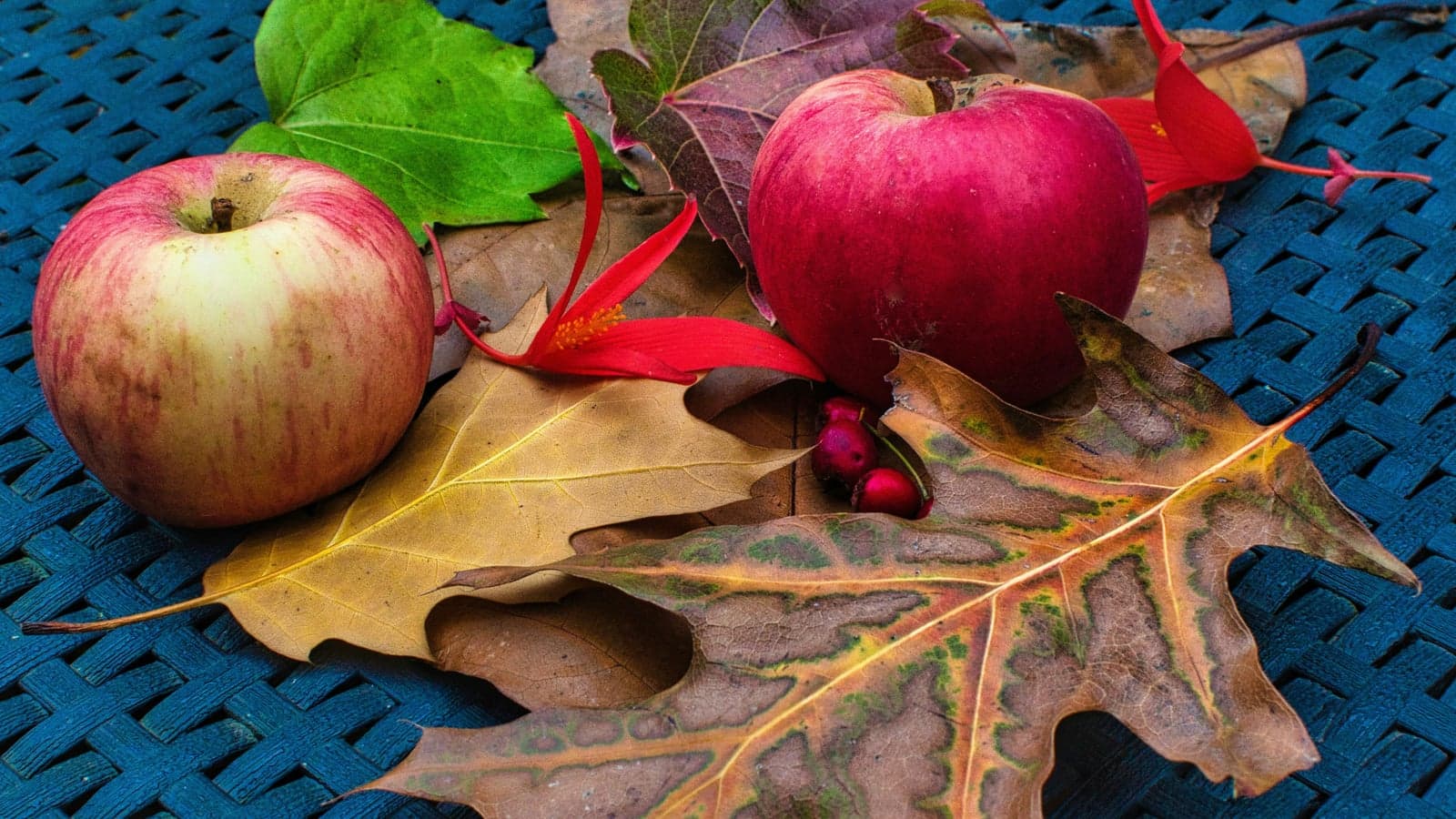
- Apples and pears: the flesh makes a good snack, but the core and pips don't belong in the bowl.
What to do if it has happened
First: stay calm, but act quickly. Second: write down exactly what was eaten, how much and when. Take the packaging or any leftovers with you.
Call straight away – in this order:
- Your vet practice
- The emergency vet service or a veterinary hospital in your area
- A poison information centre. In Germany, these are mainly there for people, but they also advise on animal poisonings when they have capacity – for example the Giftnotruf Bonn (0228 19240) or GIZ-Nord in Goettingen (0551 19240), both around the clock. GIZ-Nord has particular experience with animal poisonings.
Do NOT make your dog vomit without being told to. With some substances (acids, alkalis, sharp objects, foaming agents), that is more dangerous than the poisoning itself. You'll find home remedies such as salt water in many forums – don't use them, as they can cause salt poisoning.
Shortly after your dog has eaten something toxic, the vet practice can induce vomiting in a controlled way. Later on, depending on the poison, treatments such as activated charcoal, drips and monitoring are used.
If your dog is already showing symptoms such as vomiting, diarrhoea or abdominal pain, our guide to stomach and gut problems in dogs lists the warning signs that mean you shouldn't wait.
What you can do at home to prevent it
Chocolate, sweets and baking ingredients belong in closed cupboards – not on the coffee table. Bins should have lids and be out of reach. Take grapes and raisins out of the fruit bowl if your dog can get to it. Only give peanut butter without xylitol (check the label). Tell your guests: “Please don't give anything from the table.” Which fruit makes a good snack instead is explained in which fruit is healthy for dogs.
By the way: a photo of the suspect food's packaging on your phone is worth its weight in gold if you can no longer remember later what was in it.
In the DoggoMeal app, you can see straight away for every ingredient whether it's OK for your dog. Get the app here.
Matching calculators, free in your browser
Frequently asked questions
My dog has eaten a piece of milk chocolate – how bad is that?
It depends on the amount and the cocoa content. First symptoms such as vomiting and restlessness are possible from around 20 mg of theobromine and caffeine per kilogram – roughly 9 g of milk chocolate per kg. For a 10 kg dog, 50 g of milk chocolate is therefore usually still below this threshold; from around 90 g it becomes critical. With dark chocolate, baking chocolate or cocoa powder, much smaller amounts are enough. If in doubt, always call your vet practice.
Are all grapes toxic or only certain varieties?
All varieties can be dangerous, and so can raisins, sultanas and currants. Tartaric acid is now thought to be the likely cause, and its content varies widely – which is why dogs react so differently. There is no safe amount, and acute kidney failure is possible.
Which number should I call if I can't reach my vet?
First, the emergency vet service or a veterinary hospital near you. In addition, the German poison information centres also give advice on animal poisonings when they have capacity, for example the Giftnotruf Bonn on 0228 19240 or GIZ-Nord in Goettingen on 0551 19240 – both around the clock.
Sources
This article is based on the following expert sources. You can read how we work under Editorial team & methodology.
- Chocolate Toxicosis in Animals – Merck Veterinary Manual
- Xylitol Toxicosis in Dogs – Merck Veterinary Manual
- Grape, Raisin, and Tamarind Toxicosis in Dogs – Merck Veterinary Manual
- Giftinformationszentren in Deutschland – Bundesinstitut für Risikobewertung (BfR)
Less maths, more cooking.
The article tells you what matters. The DoggoMeal app turns it into a recipe with gram amounts to suit your dog's weight, age, activity and allergies.
- Dog profile
- Recipes with gram amounts
- Allergy warnings
- Doggopedia
Free · no subscription · every feature included


DoggoMeal editorial team
DoggoMeal is a dog nutrition app, founded and run by Kim Marques. Nami, our Shiba, is part of everyday life – her experiences with food changes, bland diets and the like appear in many articles as personal examples.
Our content follows the recommendations of the NRC, WSAVA and FEDIAF. You'll find the sources for this article above under “Sources”. The articles are no substitute for veterinary advice – if your dog has symptoms, please talk to your vet.