Bland diet for dogs: chicken and rice, amounts, how long
Chicken and rice 1 : 2, cooked very soft: a 10 kg dog needs about 450 g a day, usually for 3–5 days. Plus rice water and warning signs for the vet.
By the DoggoMeal editorial teamPublished Updated 9 min read
In short
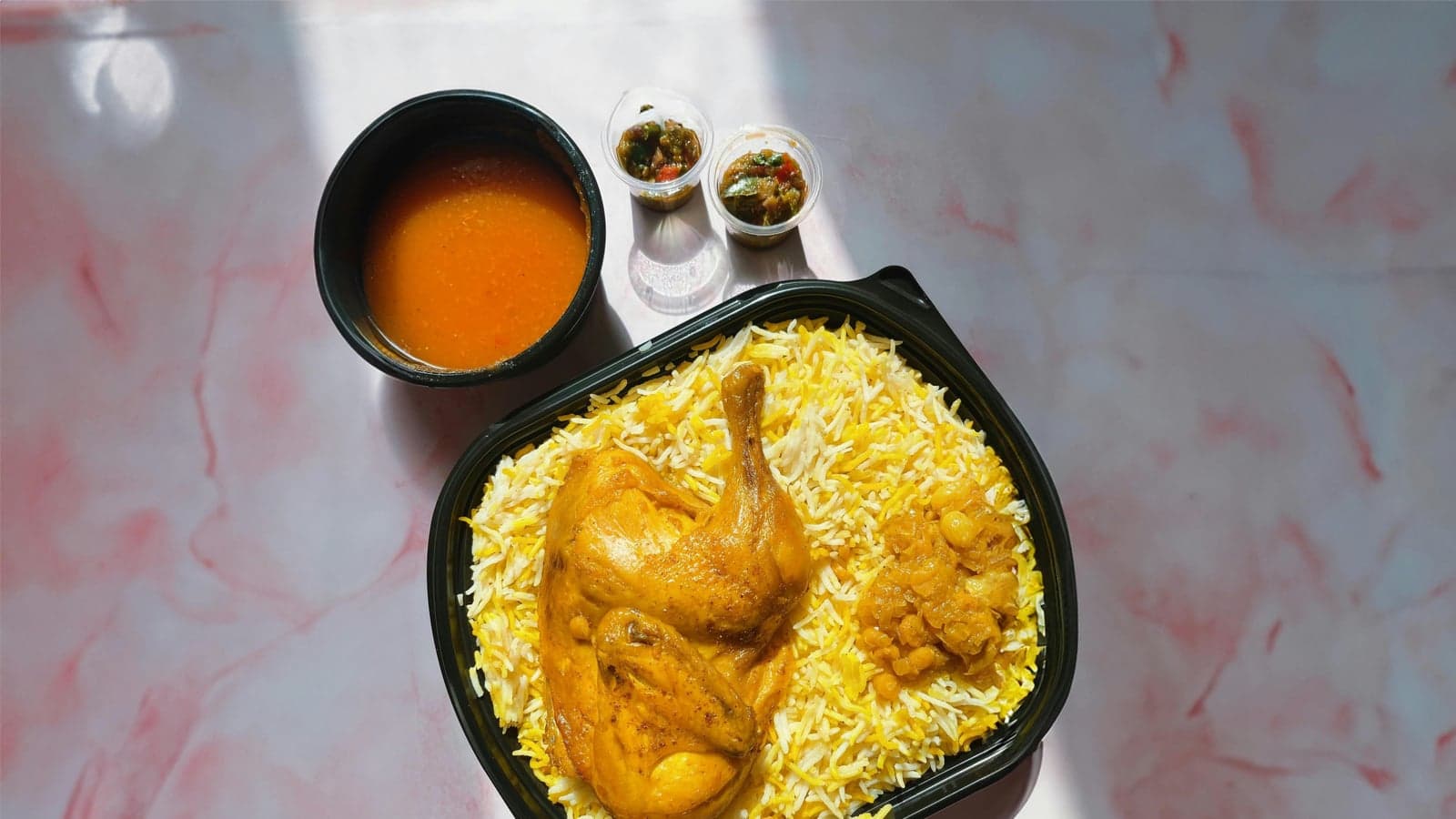
A classic bland diet of cooked chicken and rice in a ratio of 1 : 2 has around 140 kcal per 100 g. A 10 kg dog needs about 450 g of it a day; on the first day, you start with half (225 g), split into 5 small meals, and increase over 2–3 days. 3–5 days of bland diet are usually enough – puppies, senior dogs and dogs with blood in their stools, fever or listlessness need to see a vet sooner.
A bland diet means food that is easy to digest, low in fat and low in fibre. The classic is cooked chicken with very soft rice in a ratio of 1 : 2 – this has around 140 kcal per 100 g. A 10 kg dog needs about 450 g of it a day; on the first day, you start with half, in five small portions, and increase over two to three days. Three to five days of bland diet are usually enough.
With our Nami, the first time came at around 8 months. A classic with Shibas – she secretly ate something off the ground on a walk and had soft stools the next morning. No drama, but 2 days of bland diet were called for. With a single bout of diarrhoea and no other symptoms, a short plan with small, mild meals and plenty of water is often enough.
Work it out
How much for your dog? The table further down shows 5, 10 and 20 kg. For any other weight, you can work out the bland diet amount: the daily amount with rice or potato, half of it for the first day and the size of the portions.
When a bland diet makes sense
Acute diarrhoea after raiding the bin, an upset stomach after table scraps, the day after a mild tummy upset – these are the classic cases. Water is the most important thing: always offer fresh water, ideally in small portions if your dog drinks too hastily and then vomits.
Not a case for trying things out at home: a puppy with diarrhoea, a weakened senior dog, blood in the stool, vomiting that won't stop, fever or listlessness. In that case, your dog belongs at the vet, not in the kitchen.
Fast or feed? A fasting period of 24 to 48 hours used to be standard. Today, many vets recommend not letting healthy adult dogs go hungry for long, but starting early with small portions of easily digestible food. A short break of a few hours can make sense if your dog is vomiting at the moment. Never fast puppies, very small dogs, senior dogs or chronically ill dogs without talking to your vet first.
The recipe: chicken and rice in a ratio of 1 : 2
- 1 part chicken: chicken or turkey breast without skin or bones, cooked through in water without salt or seasoning and pulled into small pieces.
- 2 parts rice: white rice, cooked in plenty of water until very soft, almost mushy.
- Optional: one to two tablespoons of soft-cooked, puréed carrot.
Mix everything and serve lukewarm – not cold from the fridge. The amounts in the table refer to the cooked weight. For 150 g of cooked chicken, you need about 200 g of raw meat; for 300 g of cooked rice, around 100 g of uncooked rice.
How much bland diet? Three examples
The full daily amount matches the normal energy requirement of a neutered, normally active adult dog (resting requirement 70 × body weight^0.75 × 1.6). On the first day, you give half, split into five meals. Three examples:
For any other weight, the bland diet calculator works out the amounts – with rice or potato, for the first day and with the portion size.
How to increase the amount as the stools improve:
- Day 1: half the full daily amount, split into 5 small meals
- Day 2: about three quarters, in 4 to 5 meals
- Day 3: the full daily amount, in 3 to 4 meals
Entire (unneutered) or very active dogs need a little more, calm dogs a little less. The table is a starting point – what matters is how your dog is doing.
Rice or potato?
Both work. Rice is the standard because it's mild and easy to cook soft. Potatoes are a good alternative if your dog doesn't like rice. They have fewer calories: chicken and potato in a ratio of 1 : 2 provide around 105 kcal per 100 g, so you need about a third more volume (see the right-hand column of the table).
Always peel potatoes and cook them thoroughly. Raw potatoes, green patches and sprouts contain solanine and are not suitable for dogs.
Rice water: when solid food isn't working yet
Some dogs barely want to eat in the first acute phase. Rice water is then a gentle start: simmer 50 g of white rice in about 1 litre of water for 45 to 60 minutes until you have a creamy liquid, then press it through a sieve or purée it. Offer it lukewarm in small portions.
Rice water provides fluid and a little easily digestible starch, but hardly any energy and no protein. It's a bridge for a few hours, not a substitute for the bland diet. As soon as your dog is eating again, carry on with chicken and rice.
Rusks: OK, but no substitute
Rusks are easy to digest, which is why they're often given for diarrhoea. One or two slices as a small extra are fine for most dogs. But rusks usually contain sugar, hardly any protein and no significant nutrients for recovery. So they're no substitute for a bland diet. Varieties with chocolate, raisins or sweeteners are off-limits.
Chicken broth for dogs: homemade, without onion
Unseasoned, homemade chicken broth makes the bland diet juicier and gets extra fluid into your dog. Important:
- No salt, no seasoning, no stock cubes. Ready-made stocks contain a lot of salt and often onion or garlic powder.
- No onion, no garlic, no leek. Plants from the onion family damage red blood cells in dogs – even when cooked and as powder.
- Skim off the fat: Let the broth cool and skim off the layer of fat. Fat is best avoided in the acute phase.
A few tablespoons over the portion or a little broth in the bowl is enough.
Cottage cheese and quark as a protein alternative
If your dog tolerates dairy, you can replace part of the chicken with low-fat cottage cheese or low-fat quark – about a third. Both are mild and high in protein. However, dogs only have a little lactase, the enzyme that breaks down milk sugar. If the stools turn softer again as a result, leave them out. What else quark and cottage cheese are good for is covered in Quark and cottage cheese for dogs: how much, how often?
Moro's carrot soup
This long-cooked carrot soup comes from paediatrics: boil 500 g of carrots in 1 litre of water for 60 to 90 minutes, purée and top back up to 1 litre with boiled water – for dogs, without salt. There are hardly any studies on how well it works in dogs. But as a gentle addition mixed into the rice, it's unproblematic and adds extra fluid.
Bland diet for puppies
Puppies dehydrate faster with diarrhoea than adult dogs and can develop low blood sugar. That's why:
- Don't let them fast. Offer small, frequent meals and water.
- See a vet sooner: if the diarrhoea lasts longer than a few hours, if there's vomiting or lethargy, or if they're not yet fully vaccinated.
- Only briefly: chicken and rice don't cover the needs of a growing dog. For puppies, a bland diet is a bridge for a few days.
Puppies need more energy per kilo. A 5 kg puppy from four months of age needs around 335 g of chicken and rice a day, compared with 270 g for an adult dog of the same weight. For the normal ration afterwards, the puppy food amount calculator will help.
Back to normal food
Once the stools have been firm again for one to two days, switch back over two to three days:
- Transition day 1: three quarters bland diet, one quarter normal food
- Transition day 2: half and half
- Transition day 3: one quarter bland diet, three quarters normal food
- After that: back to the normal ration
If the stools get softer again at any step, go back a day. For sensitive dogs, the transition can take longer – how to do that is explained in our guide to changing food the right way. You can work out the normal daily ration with the food amount calculator.
If you want to carry on cooking yourself afterwards, you need a complete recipe: in the long run, chicken and rice alone provide too little calcium, vitamins and essential fatty acids. Chicken & rice and Turkey & rice are recipes of this kind – they're topped up with oil and a mineral and vitamin supplement shortly before feeding.
Warning signs: when your dog needs a vet
If your dog hasn't drunk anything for many hours, that's also a reason to call straight away. When in doubt, it's better to call once too early than too late – many practices offer telephone consultations.
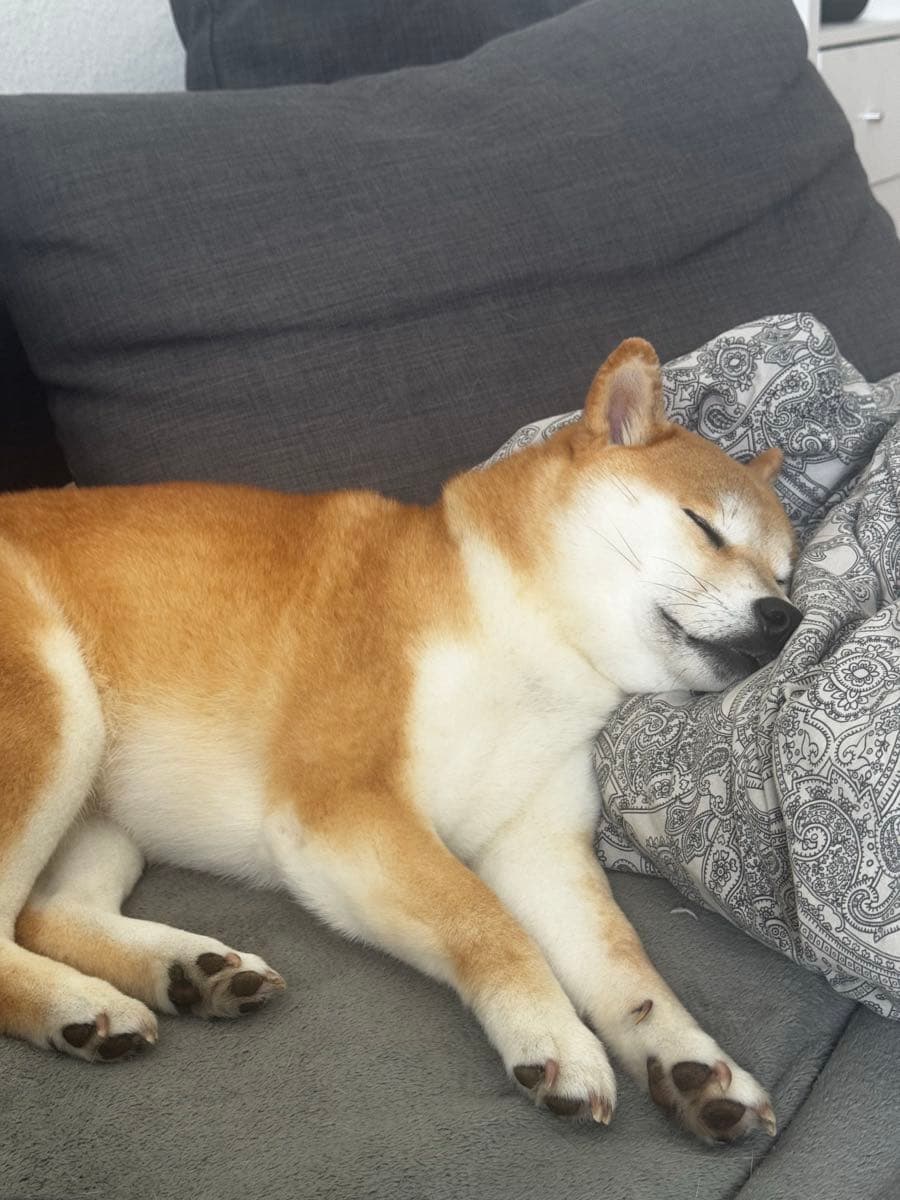
Nami during her bland diet phase – small portions, lukewarm, lots of rest.
You'll find background on causes, home remedies and how long digestion takes in our guide to stomach and gut problems in dogs. In the DoggoMeal app, you'll find bland diet recipes with exact amounts for your dog's weight, and you can keep track of how things are going. Get the app.
Bland diet for dogs – chicken and rice (1 : 2)
The classic bland diet recipe for dogs with diarrhoea or after an upset stomach. Full daily amount for a 10 kg dog, around 140 kcal per 100 g.
- Prep time
- 10 min
- Cooking time
- 30 min
- Total time
- 40 min
- Makes
- Full daily amount for a 10 kg dog: about 450 g (on the first day, half of it, split into 5 portions)
Ingredients
- 150 g cooked chicken breast without skin or bones (from about 200 g raw)
- 300 g very soft-cooked white rice (from about 100 g uncooked rice)
- Optional: 1–2 tbsp soft-cooked, puréed carrot
- Water for cooking (no salt, no onion, no garlic, no seasoning)
Method
- Cook the chicken breast in plenty of water without salt or seasoning until done, leave to cool and pull into small pieces.
- Cook the white rice in considerably more water than usual until very soft, almost mushy.
- Mix the chicken and rice in a ratio of 1 : 2; if you like, fold in a little puréed carrot.
- Serve lukewarm – not cold from the fridge.
- On the first day, give only half (about 225 g), split into 5 small portions, and increase to the full amount over 2–3 days.
Matching calculators, free in your browser
Frequently asked questions
How much bland diet does my dog need per day?
The full daily amount matches the normal energy requirement. With chicken and rice (1 : 2, around 140 kcal per 100 g), that's about 270 g a day at 5 kg, about 450 g at 10 kg and about 755 g at 20 kg. On the first day, give only half, split into 5 small meals. For any other weight, the bland diet calculator works it out.
How long should I feed a bland diet?
Usually 3 to 5 days. Once the stools have been firm again for one to two days, mix in the normal food over 2 to 3 days. If the diarrhoea lasts longer than 1 to 2 days, if blood, fever or vomiting appear, or if your dog is a puppy or a senior dog, call the vet sooner.
Which rice is best?
White rice, such as long-grain, basmati or jasmine rice, cooked very soft – with more water and for longer than it says on the packet. Brown rice contains more fibre and is less suitable for the acute phase.
Can I add salt or stock?
No salt and no ready-made stock: stock cubes and instant broth contain a lot of salt and often onion or garlic powder, both of which damage red blood cells in dogs. Homemade, unseasoned chicken broth with the fat skimmed off, on the other hand, is a good addition.
How much rusk can my dog eat when they have diarrhoea?
One or two slices of rusk as a small extra are fine for most dogs. But rusks usually contain sugar and hardly any protein, and they're no substitute for a bland diet. Varieties with chocolate, raisins or sweetener are off-limits.
What should I bear in mind with a bland diet for puppies?
Puppies dehydrate faster with diarrhoea and can develop low blood sugar. They shouldn't fast and need to see a vet sooner, especially if they're not yet fully vaccinated. For puppies, a bland diet is only a short-term bridge, because it doesn't cover their needs while they're growing.
Sources
This article is based on the following expert sources. You can read how we work under Editorial team & methodology.
- Acute Diarrhea in Dogs: Current Management and Potential Role of Dietary Polyphenols Supplementation – Candellone et al., Antioxidants (2020), PubMed Central
- People Foods to Avoid Feeding Your Pets – ASPCA Animal Poison Control Center
- Garlic and Onion (Allium spp) Toxicosis in Animals – Merck Veterinary Manual
Less maths, more cooking.
The article tells you what matters. The DoggoMeal app turns it into a recipe with gram amounts to suit your dog's weight, age, activity and allergies.
- Dog profile
- Recipes with gram amounts
- Allergy warnings
- Doggopedia
Free · no subscription · every feature included


DoggoMeal editorial team
DoggoMeal is a dog nutrition app, founded and run by Kim Marques. Nami, our Shiba, is part of everyday life – her experiences with food changes, bland diets and the like appear in many articles as personal examples.
Our content follows the recommendations of the NRC, WSAVA and FEDIAF. You'll find the sources for this article above under “Sources”. The articles are no substitute for veterinary advice – if your dog has symptoms, please talk to your vet.