Home cooking vs. raw feeding (BARF): an honest comparison
Raw feeding or cooking? Both have real pros and cons. An honest comparison without the fan-club romance: nutrients, hygiene, bones and everyday life.
By the DoggoMeal editorial teamPublished Updated 8 min read
In short
Raw feeding (BARF) and home cooking can both work – what matters is a properly calculated ration with calcium and minerals. According to the WSAVA, raw feeding has no proven health benefit over a balanced cooked diet, but a higher risk of germs such as salmonella, which can also affect people in the household. Cooked food is safer in terms of hygiene, but it needs supplements too.

We chose home cooking because Nami was very sensitive as a puppy. I didn't want to try raw feeding – with an allergy risk, there were too many variables. Cooked chicken + rice + vegetables felt safer for us.
Raw feeding (BARF) and home cooking can both work – if the ration has been calculated properly and calcium, iodine and co. are right. According to the WSAVA, raw feeding has no proven health benefit over a balanced cooked diet, but it does carry a higher risk of germs such as salmonella, which can also affect people in the household. Cooked food is safer in terms of hygiene, but it needs supplements too.
In one household there's a dedicated freezer full of tripe, chicken necks and lamb kidneys; in another, a second set of pans on the hob. Both dogs look good, both owners swear by their approach. Who's right? It depends.
The one difference everything revolves around
BARF stands for “biologically appropriate raw food” – that is, raw meat, raw bones, raw vegetables. Home cooking is exactly what it sounds like: everything is heated. That isn't just a technical detail. It changes how the food is digested, which nutrients get through and which risks are involved.
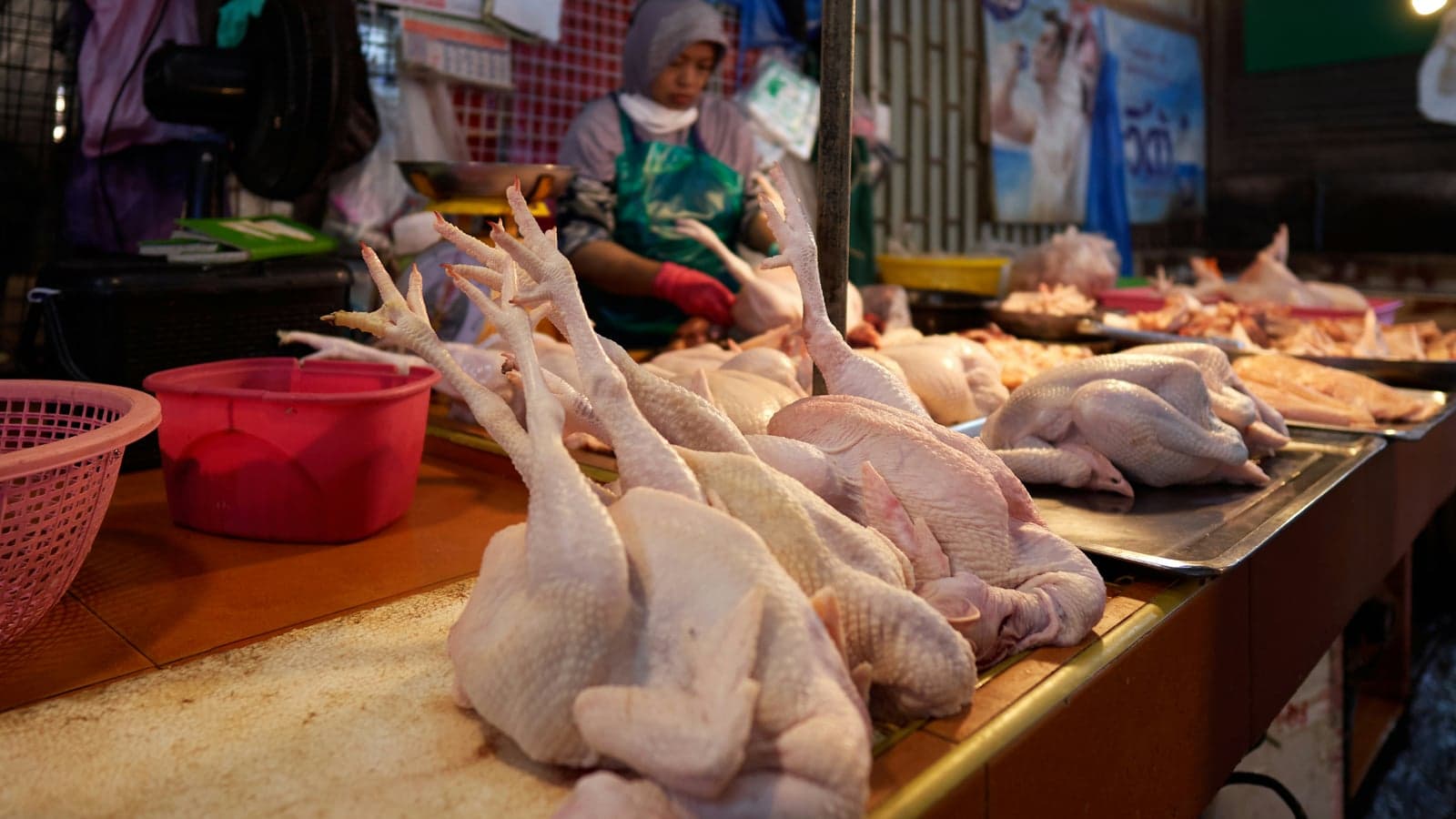
Raw meat still contains all the heat-sensitive vitamins – but it also contains germs and possibly parasite stages. Cooked meat is considerably safer in terms of hygiene, but a few vitamins are lost, which you have to supplement. Incidentally, the idea that dogs need the “enzymes” in raw meat for their digestion is a myth: their own digestive system takes care of that.
Where raw feeding is strong
Raw meat is easily digestible, and many owners report small, firm stools and a glossy coat. The day-to-day effort is manageable – bag out of the freezer, thaw, fill the bowl, done. That chewing bones protects the teeth, however, hasn't been proven; the WSAVA points out that bones don't reliably prevent plaque and can break teeth. More on this in raw bones for dogs.
For athletic dogs with high energy requirements – Hovawarts, German Shepherds, Huskies – raw feeding can be a really good choice. The same goes for dogs with allergies, because you can control very precisely what ends up in the bowl.
Where raw feeding doesn't shine so brightly
Salmonella, campylobacter, disease-causing E. coli. These aren't theoretical risks. Studies – including some from the Netherlands and Switzerland – regularly find such germs in commercial raw food products, including frozen ones; freezing doesn't kill all bacteria. Parasites, on the other hand, can largely be killed by freezing for at least a week at −17 to −20 °C. Dogs rarely become infected, but they shed the germs. That means: dispose of poo bags carefully, wash the bowl in hot water every day, wash your hands. In a household with small children, pregnant women or older people, I would be extremely careful.
And then there are the bones. Raw bones splinter less than cooked ones, but they can still get stuck. Even a raw chicken neck can get lodged crosswise, and too many bones quickly lead to hard constipation – the German Federal Chamber of Veterinarians points this out too.
Where home cooking is strong
Hygiene. Full stop. You cook the meat, the germs are gone, done. If you have a family, live in a flat with a small kitchen or simply don't want two freezers, cooking is the more relaxed solution.
On top of that: many dogs with a sensitive stomach tolerate cooked food better. Senior dogs, dogs after operations, dogs with a history of chronic stomach and gut problems. Soft-cooked rice often helps here, because it's mild and easy to digest.
And to be honest: the kitchen smells better. Anyone who has ever thawed a raw food bag of tripe knows what I mean.
Where home cooking has its weaknesses
When food is heated, vitamins are lost – especially the B vitamins and vitamin C. So you need to supplement more deliberately. Cold-pressed salmon oil, eggshell powder, sometimes a vitamin B complex. It doesn't work without a plan.
Second: time. Two hours in the kitchen once a week is realistic. If you don't want that, you'll be done faster with raw feeding.
Which dog suits which approach?
Here are a few rough tendencies from our community:
- Young, healthy, athletic dogs in single-person households: raw feeding often fits perfectly
- Families with children under 5: please cook – the hygiene risk isn't worth it
- Senior dogs and dogs with stomach and gut issues: cooking is usually easier to tolerate
- Dogs with allergies: both work – raw feeding gives more control, cooking less stress
- Puppies: both are possible, but please with professional guidance
Mixing the two isn't betrayal
Nobody says you have to choose a side. Many people in our community feed raw in the morning (for example chicken necks or tripe) and cooked in the evening (rice, vegetables, lean meat). That works – what matters is that the overall ration stays balanced and that the calories of both meals together match your dog's requirement. Whether raw and cooked food need to be fed at separate times hasn't been proven; many people do it anyway, out of habit.
The effort in real everyday life
Raw feeding: 15 minutes a day, but a bigger shop once a month and a game of freezer Tetris.
Home cooking: 1.5 to 2 hours once a week, but then practically no time at all day to day.
Both are doable. It depends on when you want to make time for it.
You have to decide, but we'll help with the maths
Whether you feed raw or cook – the amounts, nutrient ratios and supplements have to be right. To get started with cooking, there's the beginner's guide to home cooking, the fresh food calculator works out the daily amount, and how to store supplies safely is explained in storing dog food properly. The DoggoMeal app works out both for you, raw and cooked, and even mixed feeding with a daily plan. Get the app.
Matching calculators, free in your browser
Frequently asked questions
Is raw feeding really more dangerous because of salmonella?
The risk is real, especially for people in the household. Studies regularly find salmonella and campylobacter in raw food mixes. Dogs become infected less often than we do, but they shed the germs. In families with small children or people with a weakened immune system, I would advise against it.
Can I feed raw in the morning and cooked in the evening?
Yes, many people do. There's no evidence that raw and cooked food have to be fed separately – many owners separate them anyway, out of habit. What matters is that the overall ration is balanced and that the calories of both meals together match your dog's requirement.
Which option is cheaper?
Worked out to the cent, the two are similar; raw feeding is often even slightly more expensive because of the frozen-food logistics and the bone components. Home cooking sometimes saves money through leftovers and seasonal vegetables. The bigger difference is the time involved – raw feeding needs less preparation.
Sources
This article is based on the following expert sources. You can read how we work under Editorial team & methodology.
- Raw Meat Based Diets for Pets – WSAVA Global Nutrition Committee
- BARFen – aber richtig! (Presseinformation 22/2016) – Bundestierärztekammer
- Experten-Tipp zur Rohfleischfütterung – ESCCAP Deutschland
Less maths, more cooking.
The article tells you what matters. The DoggoMeal app turns it into a recipe with gram amounts to suit your dog's weight, age, activity and allergies.
- Dog profile
- Recipes with gram amounts
- Allergy warnings
- Doggopedia
Free · no subscription · every feature included


DoggoMeal editorial team
DoggoMeal is a dog nutrition app, founded and run by Kim Marques. Nami, our Shiba, is part of everyday life – her experiences with food changes, bland diets and the like appear in many articles as personal examples.
Our content follows the recommendations of the NRC, WSAVA and FEDIAF. You'll find the sources for this article above under “Sources”. The articles are no substitute for veterinary advice – if your dog has symptoms, please talk to your vet.