What vegetables can dogs eat? The complete list
Carrots yes, onions never: which vegetables dogs can eat, which are fine only cooked or in moderation, and which, like raw potato or leek, are off limits.
By the DoggoMeal editorial teamPublished Updated 6 min read
In short
Your dog can eat most common vegetables – ideally cooked or finely grated: carrot, courgette, pumpkin, cucumber, boiled potato and broccoli in small amounts. Off limits are onions, garlic and leeks in any form, raw potatoes, raw pulses and wild mushrooms; avocado is best left out altogether.
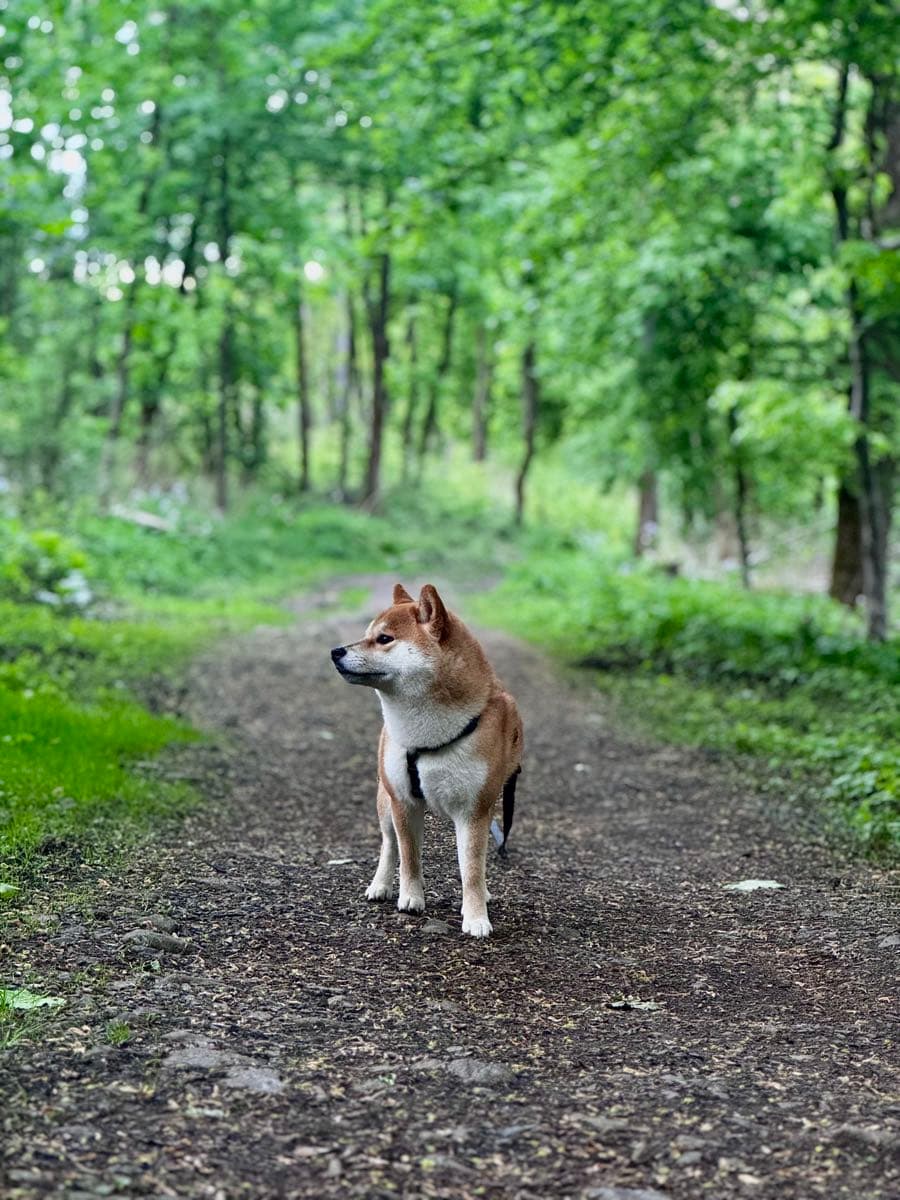
Nami loves carrots as a treat – raw or cooked. Courgette cooked. Pumpkin puréed in autumn. She doesn't tolerate broccoli so well, so only rarely.
Your dog can eat most common vegetables – ideally cooked or finely grated, and unseasoned. Good choices are carrot, courgette, pumpkin, cucumber and boiled potato; off limits are onions, garlic and leeks, raw potatoes and raw pulses. You'll find an overview of all foods – including grains, dairy products and spices – in the A to Z list of foods. How much of a particular vegetable suits your dog's weight is shown on the “Can my dog eat this?” pages.
Nibbling carrots, courgette in the bowl, a little piece of pepper from the chopping board – vegetables are part of most home-cooked dog meals and are popular as treats too. The thing is: not everything we humans cook with is harmless for dogs. Some varieties are actually seriously dangerous. Here's the list to guide you.
Green light: these vegetables are safe
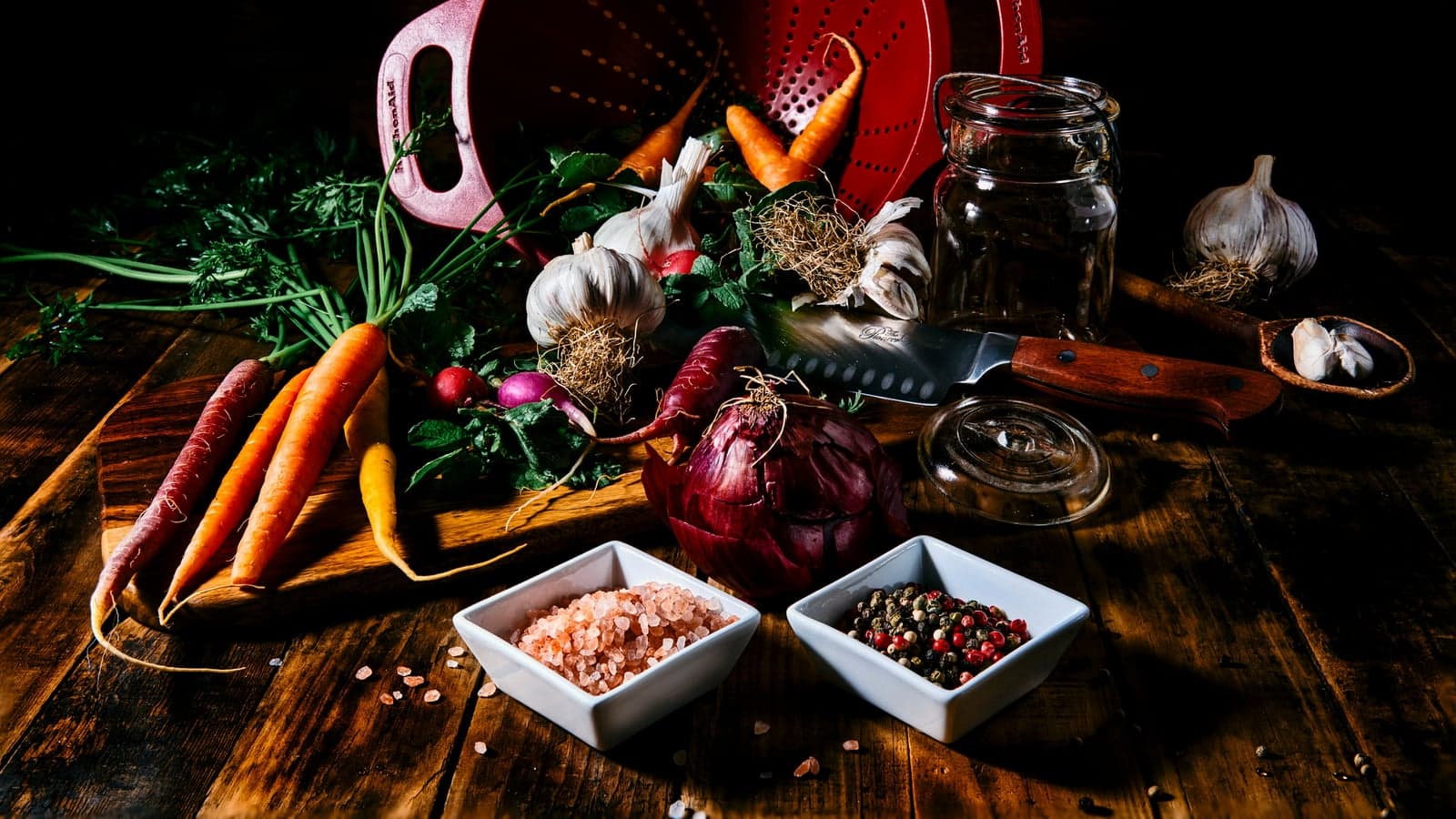
Carrots are the classic. Raw as a chew, cooked and puréed in a meal or grated over the food – carrots provide beta-carotene and fibre while being low in calories. We recommend 50 to 100 g a day for a medium-sized dog. Some owners give a whole carrot as a teeth-cleaning treat – and that can actually help to reduce plaque.
Courgette is one of the most uncomplicated vegetables of all. Raw or steamed, it provides potassium and is ideal for overweight dogs, because it adds a lot of volume with few calories – more on this in our guide to helping your dog lose weight. Just make sure the courgette doesn't taste bitter. Bitter courgettes contain cucurbitacins and are poisonous.
Pumpkin is a real favourite in our community, especially Hokkaido pumpkin. Skin on, seeds out, cook until soft – done. Pumpkin helps with digestive problems in both directions: it binds water in cases of diarrhoea and provides gentle fibre for constipation.
Broccoli is fine, but not in large amounts. It shouldn't make up more than 10 per cent of the daily ration, otherwise the mustard oils can cause stomach and gut problems. Steamed and chopped small, though, almost every dog tolerates it without any trouble.
Potato – and this is important – only cooked. Raw potatoes contain solanine and are off limits. Boiled and peeled, they're an excellent source of carbohydrate, especially for dogs that are sensitive to grain. Cut open potatoes boiled in their skins, peel them and let them cool.
Cucumber is practically pure water with a little flavour. A great treat in summer – low in calories and refreshing. Some dogs love frozen cucumber slices as an icy chew.
Peppers are fine if they're ripe – so red, yellow or orange. Green peppers aren't poisonous, but red, yellow and orange ones are riper and richer in vitamins – they're the better choice. With ripe peppers too: small amounts, finely chopped, without the stalk and seeds.
In moderation – please not every day
Spinach isn't the power vegetable Popeye promised us. It contains oxalic acid, which in the long term can put a strain on the kidneys and interfere with calcium absorption. A small portion once a week does no harm, but it shouldn't be more than that. Dogs with kidney problems should avoid spinach altogether.
Celery (both celeriac and the stalks) is rich in nutrients, but fibrous and strongly flavoured. A little piece now and then – no problem. Larger amounts can irritate the stomach.
Kohlrabi is fine peeled and unseasoned, ideally steamed or finely grated. As a member of the cabbage family, it can cause wind – a few small cubes are enough.
Radishes aren't poisonous, but they contain pungent mustard oils. One slice to try is fine; larger amounts irritate the stomach.
Beetroot and parsnip also belong in this middle category: fine now and then, but not as a main ingredient.
Red card: these varieties are off limits
This is where it gets serious. Some vegetables are poisonous to dogs in any form, and even small amounts can cause problems.
- Avocado contains persin, which is dangerous mainly to birds, rabbits and horses. It's less poisonous to dogs, but very high in fat, and the stone can get stuck in the throat or gut – so leave it out.
- Onion, leek, garlic, shallots and chives destroy red blood cells and can cause anaemia. This applies raw, cooked, dried and as a powder – and garlic is about three to five times more potent than onion. Leftovers in sauces and stocks are off limits too. More on this in our guide to toxic foods for dogs.
- Raw potato and anything green on it, because of solanine.
- Raw beans (green beans, kidney beans, white beans) contain phasin, which makes red blood cells clump together. Cooked green beans are fine, but raw beans are genuinely dangerous.
- Raw aubergines and green tomatoes, also because of solanine and tomatine respectively. Ripe red tomatoes without any green parts are unproblematic in small amounts.
- Mushrooms from the woods in any case, but even button mushrooms from the supermarket aren't necessary and can cause stomach problems.
Seasoned or salted vegetable leftovers from the table don't belong in the bowl either – even if the vegetable itself would actually be allowed. Ready-made vegetable stir-fries and sauces often contain onion or garlic powder.
How much vegetable per meal?
Rule of thumb: in a home-cooked meal, vegetables make up about 20 per cent. The rest is divided between meat, carbohydrates, a little oil and a source of calcium – how to split it is explained in the beginner's guide to home cooking. For most dogs, vegetables should be cooked or at least finely grated, because dogs can only partly break down the cell walls of raw vegetables. Carrot and cucumber are the exception – they're fine raw too.
And honestly: you don't have to combine three varieties every day. A well-made weekly plan with two or three vegetables in rotation is perfectly sufficient.
Don't want to leave anything to chance?
The DoggoMeal app automatically works out the right proportion of vegetables for your dog's weight, activity and life stage – including a warning if you enter an ingredient that becomes a problem in the wrong amount. Get the app and give it a try.
Matching calculators, free in your browser
Frequently asked questions
Can my dog have carrots every day?
Yes, there's nothing against a small portion of carrot every day – cooked, grated or as a treat. In very large amounts, though, the high beta-carotene content can give the coat an orange tinge, but that's harmless. 50 to 100 g a day for medium-sized dogs is a good guide.
Is broccoli really dangerous for dogs?
Not dangerous, but not in unlimited amounts either. Broccoli contains isothiocyanates, which can irritate the gastrointestinal tract in larger doses. As a rule of thumb: broccoli should never make up more than 10 per cent of the daily ration. Well steamed and chopped small, it's easily tolerated.
Why is raw potato forbidden but cooked potato fine?
Raw potatoes, and especially green patches or sprouts, contain solanine, a natural toxin. Cooking destroys the solanine and breaks down the starch, so your dog can digest the potato well. Potatoes boiled in their skins and then peeled are the safest option.
Sources
This article is based on the following expert sources. You can read how we work under Editorial team & methodology.
- Garlic and Onion (Allium spp) Toxicosis in Animals – Merck Veterinary Manual
- Avocado (Persea spp) Toxicosis in Animals – Merck Veterinary Manual
- People Foods to Avoid Feeding Your Pets – ASPCA Animal Poison Control Center
Less maths, more cooking.
The article tells you what matters. The DoggoMeal app turns it into a recipe with gram amounts to suit your dog's weight, age, activity and allergies.
- Dog profile
- Recipes with gram amounts
- Allergy warnings
- Doggopedia
Free · no subscription · every feature included


DoggoMeal editorial team
DoggoMeal is a dog nutrition app, founded and run by Kim Marques. Nami, our Shiba, is part of everyday life – her experiences with food changes, bland diets and the like appear in many articles as personal examples.
Our content follows the recommendations of the NRC, WSAVA and FEDIAF. You'll find the sources for this article above under “Sources”. The articles are no substitute for veterinary advice – if your dog has symptoms, please talk to your vet.