Senior dog nutrition: gently adjusting the diet with age
When does a dog become a senior, how many calories and how much protein do they need, and what really helps their joints? Practical tips with amounts.
By the DoggoMeal editorial teamPublished Updated 7 min read

In short
Older dogs usually need a little less energy, but not less protein: for senior dogs, our calculators allow around 12% less (a factor of 1.4 instead of 1.6 on the resting requirement), so for 25 kg about 1,095 instead of 1,250 kcal a day. What matters is high-quality protein to counter muscle loss, regular weight checks and, for joint problems, omega-3 fatty acids above all – glucosamine and chondroitin show hardly any effect in studies.

At almost 3, Nami isn't a senior yet – but we're thinking ahead. More omega-3, less phosphorus and joint support are the topics that will matter to us then.
Older dogs usually need a little less energy, but not less protein. For senior dogs, our calculators allow around 12% fewer calories than for an adult neutered dog – for 25 kg, about 1,095 instead of 1,250 kcal a day. What matters is high-quality protein to counter muscle loss, regular weighing and feeling your dog over and, for joint problems, omega-3 fatty acids above all.
A typical case: an eleven-year-old female Labrador cross wobbles when she gets up and hesitates at the stairs. Many owners' first reflex: simply less food, because she has put on a bit of weight. If the protein also runs short in the process, she loses muscle – and that's exactly what she needs for her joints.
Senior nutrition isn't “less of everything”. It's different. I'll show you what that means in practice.
When is a dog actually a senior?
That depends very much on the breed. Rule of thumb:
- Small breeds (up to 10 kg): from about 9 to 10 years
- Medium breeds (10–25 kg): from 8 years
- Large breeds (25–45 kg): from 7 years
- Giant breeds (over 45 kg): from 5 to 6 years
So a Bernese Mountain Dog at 6 is just as much a “senior” as a Yorkshire Terrier at 10. Sounds unfair – but that's biology. Pay less attention to the date in the vaccination record and more to what you can see: are they sleeping more? Are they slower to get up? Are they losing muscle on their hindquarters? Those are the real signals.
Fewer calories – but more protein
This is the point almost everyone gets wrong. Old dogs usually move less and need less energy – the National Research Council gives a figure of about 20% less for older dogs, while our calculators, with a factor of 1.4 instead of 1.6, allow around 12% less. You can work out how much that is for your dog using the senior setting: calculate your dog's calorie needs. But: older dogs tend to need more high-quality protein, not less.
Why? Because older dogs often use protein less efficiently. The key word is sarcopenia – age-related muscle loss. If you reduce protein, you speed up exactly the process you want to prevent. Go for high-quality sources such as chicken, turkey, fish and egg. How much protein a dog needs in general is explained in our guide to how much protein a dog needs.
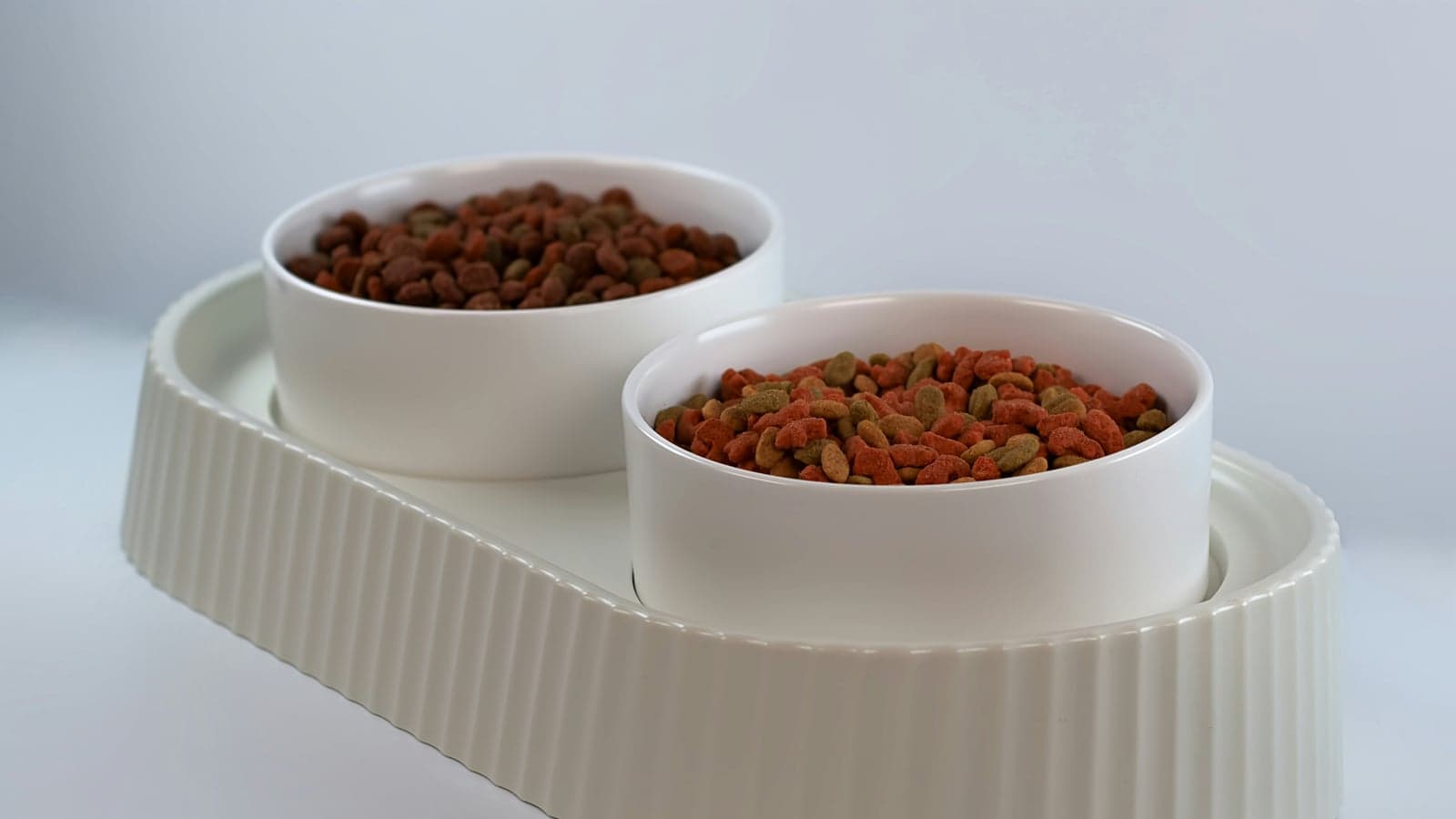
A concrete example: a neutered 25 kg Labrador needs around 1,250 kcal a day as a normally active adult, so about 345 g of dry food (360 kcal per 100 g). As a calm senior dog, you'd start at more like 1,095 kcal – about 305 g. If you cook yourself, it's better to swap carbohydrates for lean protein than the other way round.
Be careful: different rules apply if kidney function is impaired. Phosphorus has to come down, and protein is adjusted. That belongs in a vet's hands, not in a magazine article.
Joints – what really helps
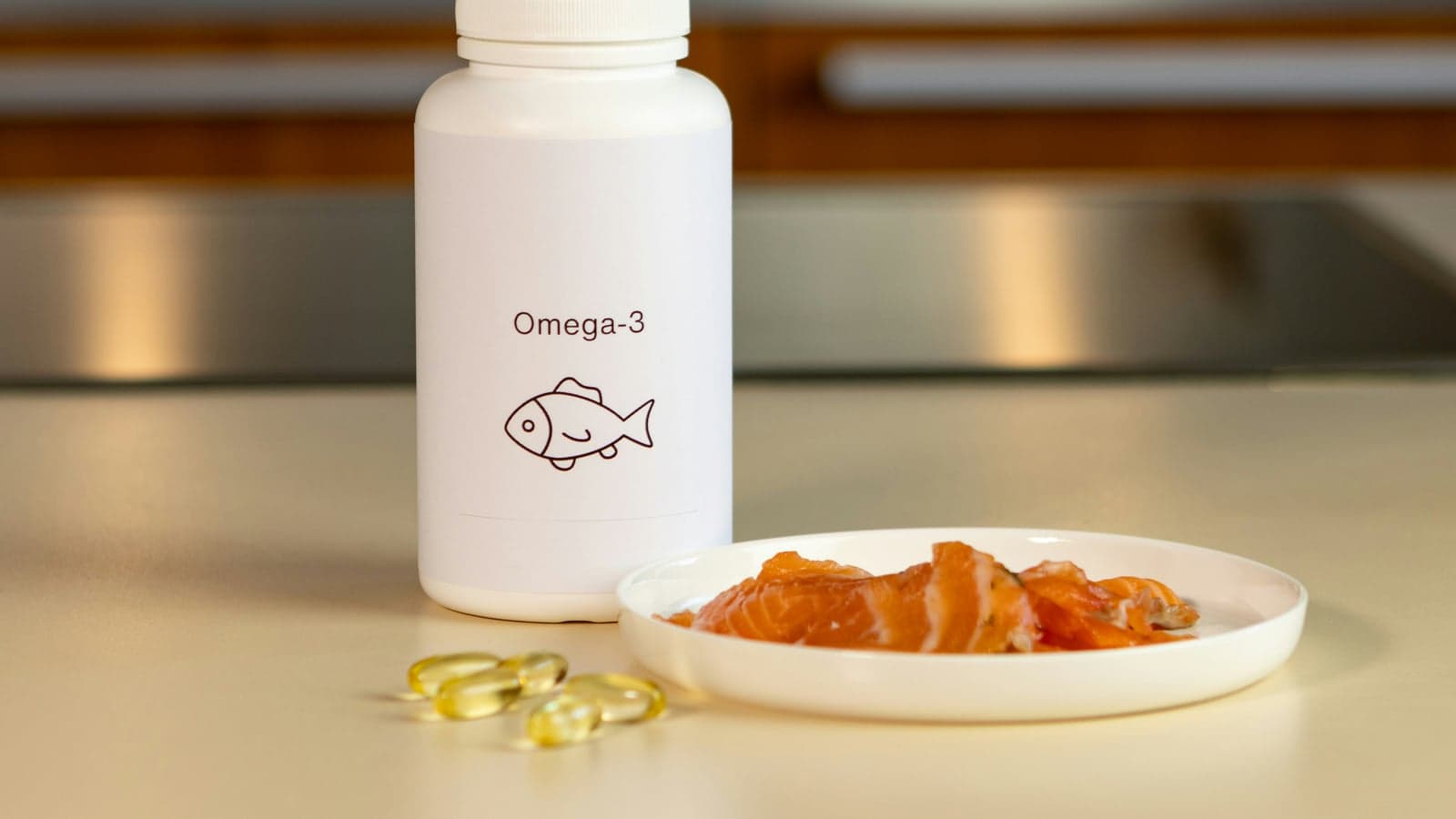
The best evidence is for omega-3 fatty acids (EPA and DHA) from fish or algae oil: a large 2022 review covering dozens of studies found a pain-relieving effect in osteoarthritis, both as a supplement and in special joint diets. The effective amount is well above what normal food contains – discuss the dose with your vet practice, especially if your dog is already on painkillers. More on oils in our guide to fat in dog food.
Glucosamine and chondroitin are popular, but they perform poorly in the same review: a pain-relieving effect was practically undetectable. If you try them anyway, take an honest look at the results after a few weeks.
MSM, green-lipped mussel, devil's claw – the evidence is thin. Talk to your vet first, especially if your dog is already on medication.
And the most important joint protection is free: a slim body weight. Every kilo less takes strain off the joints – how to achieve that is explained in helping your dog lose weight.
Teeth, texture, meals
By the way: many old dogs have dental problems without anyone noticing. If your senior dog suddenly just sucks on dry food instead of crunching it, or chews on one side only – book an appointment at the vet. Until then: a softer texture, wet food or soaked dry food, perhaps home-cooked.
Several small meals are usually better than two large ones for old dogs. Three portions spread over the day are easier on the stomach, and blood sugar stays more stable. For dogs with pancreas problems or diabetes, it's actually a must.
Oh, and water intake becomes an issue with age. Senior dogs often drink too little. Wet food or home-cooked food brings more fluid into the bowl. Stock works too, but only home-made, without salt, onion, garlic or spices – stock cubes and instant stock aren't suitable.
What you can do this week
Weigh your dog today. Compare them with a year ago – have they lost muscle or put on fat? Feeling your dog over is more reliable than the scales: hips, back muscles, shoulders, head. Alongside the Body Condition Score, the WSAVA has developed a separate Muscle Condition Score for this – ask your vet practice; both take only a few minutes.
Switch the meals to three small portions. Reduce the calories by about 10 to 15 per cent if your dog is gaining weight, but keep the protein high. And talk to your vet practice about omega-3 if their joints are causing problems.
The DoggoMeal app adapts automatically to your dog – breed, age, current weight and joint status feed into every plan. Senior recipes with more protein, a softer texture and built-in omega-3 amounts, without you having to do the maths yourself. Get the app and see the first suitable weekly plan for your older dog in two minutes.
Matching calculators, free in your browser
Frequently asked questions
When does my dog count as a senior?
Small breeds from about 9 to 10 years, medium-sized breeds from 8, large breeds such as the Labrador or German Shepherd from as early as 7, and giant breeds such as the Great Dane or Bernese Mountain Dog even from 5 to 6 years.
Do old dogs need less protein?
No, that's an old misconception. Older dogs often use protein less efficiently and tend to need more high-quality protein to maintain their muscles. What's usually reduced is calories – and only where kidney problems have been diagnosed, phosphorus and protein too, as directed by the vet.
Which supplements really help old dogs?
The best evidence is for omega-3 fatty acids from fish or algae oil: a large 2022 review found a pain-relieving effect in osteoarthritis. Glucosamine and chondroitin, on the other hand, showed practically no effect in the same review. Please discuss the dose, and any combination with painkillers, with your vet practice.
Sources
This article is based on the following expert sources. You can read how we work under Editorial team & methodology.
- Feeding Practices in Small Animals – Merck Veterinary Manual
- A 2022 Systematic Review and Meta-Analysis of Enriched Therapeutic Diets and Nutraceuticals in Canine and Feline Osteoarthritis – Barbeau-Grégoire et al., International Journal of Molecular Sciences (2022), PubMed Central
- Your Dog's Nutritional Needs – A Science-Based Guide for Pet Owners – National Research Council, National Academies
- Muscle Condition Score – Dogs – WSAVA Global Nutrition Committee
Less maths, more cooking.
The article tells you what matters. The DoggoMeal app turns it into a recipe with gram amounts to suit your dog's weight, age, activity and allergies.
- Dog profile
- Recipes with gram amounts
- Allergy warnings
- Doggopedia
Free · no subscription · every feature included


DoggoMeal editorial team
DoggoMeal is a dog nutrition app, founded and run by Kim Marques. Nami, our Shiba, is part of everyday life – her experiences with food changes, bland diets and the like appear in many articles as personal examples.
Our content follows the recommendations of the NRC, WSAVA and FEDIAF. You'll find the sources for this article above under “Sources”. The articles are no substitute for veterinary advice – if your dog has symptoms, please talk to your vet.