How often should I feed my dog? Once, twice or three times
Once, twice or three times a day? What really makes sense by age, breed and bloat risk – with a puppy feeding plan and a daily plan in grams.
By the DoggoMeal editorial teamPublished Updated 5 min read
In short
Most adult dogs do well on two meals a day, about 10 to 12 hours apart. Puppies get four meals until around 3 months, then three, and from around 6 months two to three. Because of the risk of bloat, large, deep-chested breeds shouldn't get just one large portion a day; for healthy small to medium-sized dogs, once a day can work.
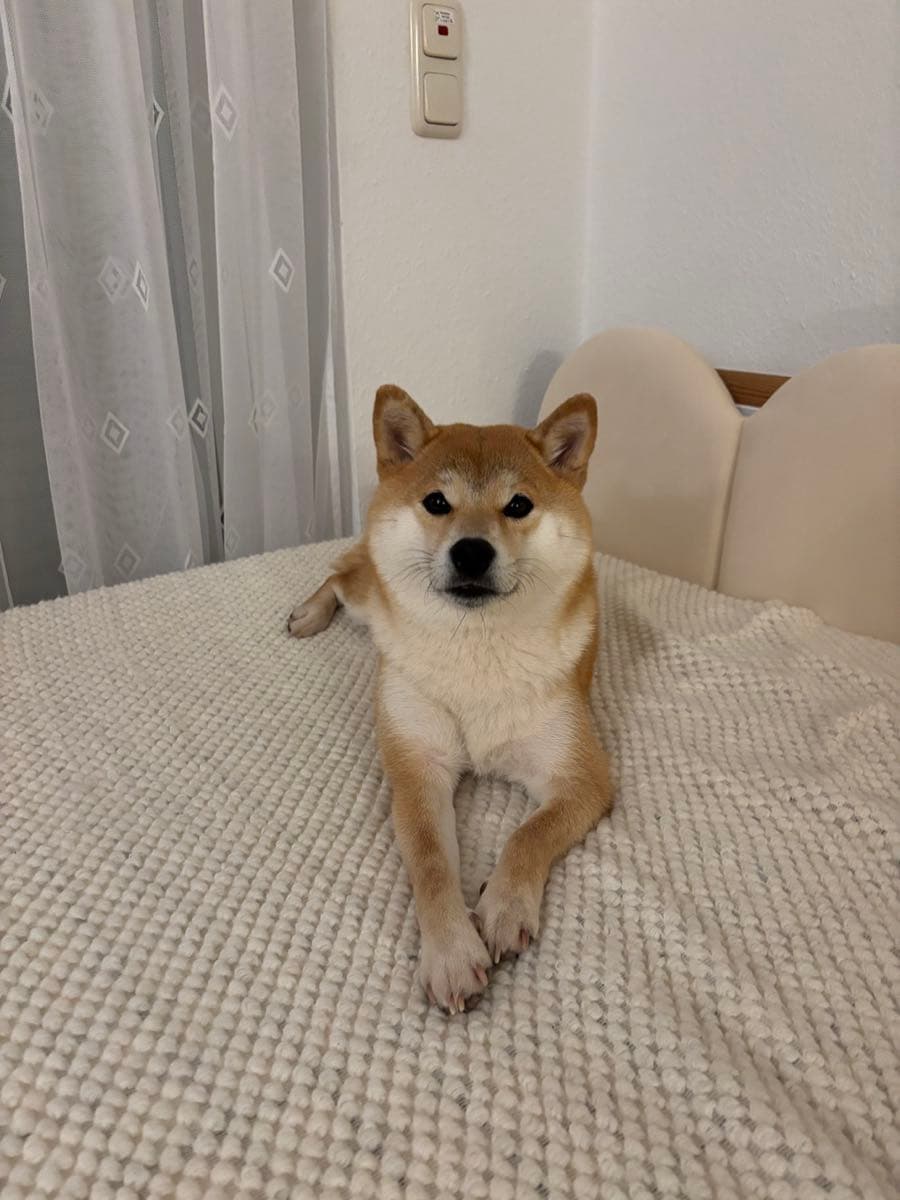
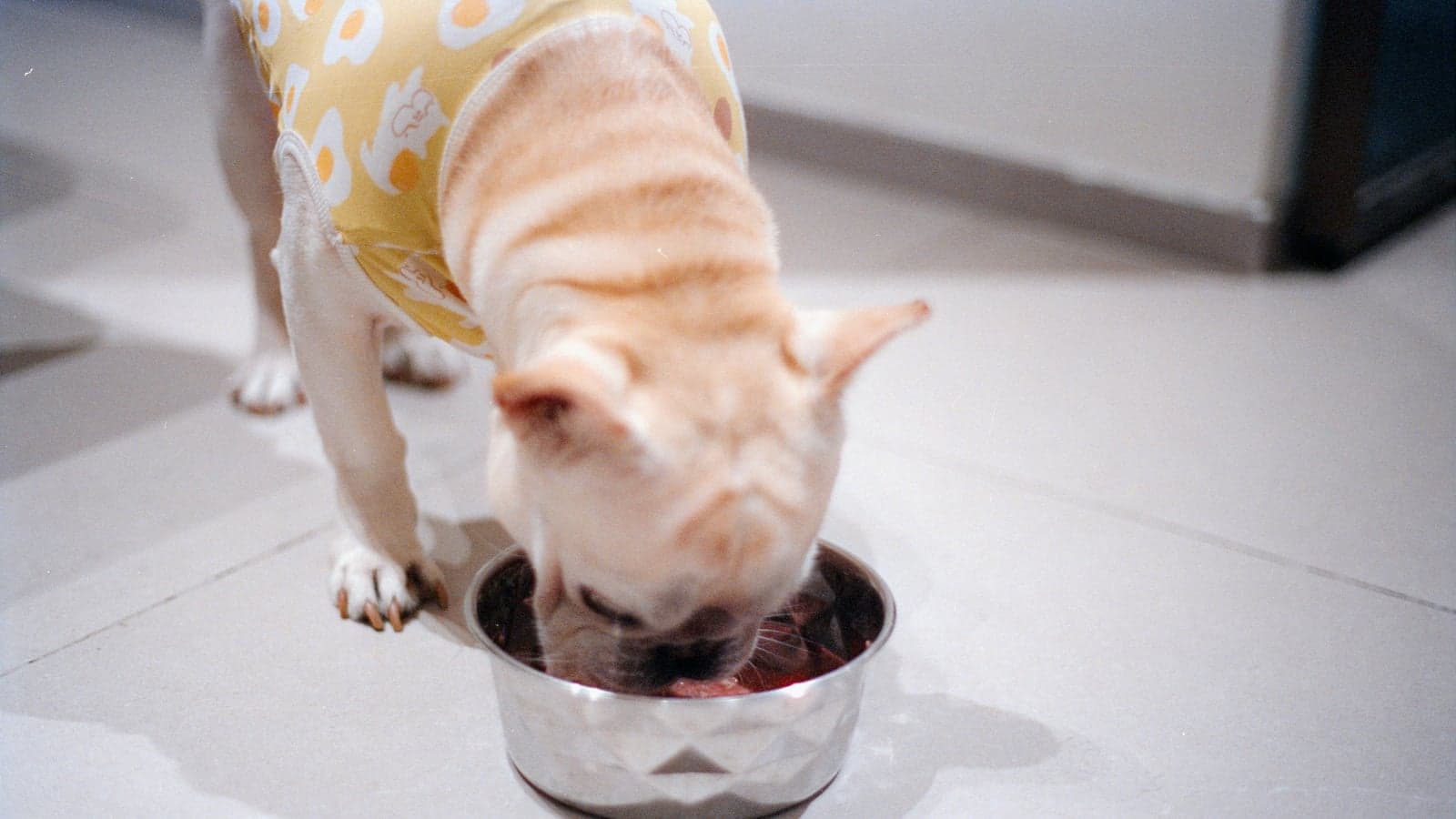
Nami gets 2 meals a day, morning + evening. As a puppy, it was 3–4 small portions. Routine is everything.
Most adult dogs do well on two meals a day, about 10 to 12 hours apart. Puppies need four meals until around three months, then three. Because of the risk of bloat, large, deep-chested breeds shouldn't get one single large portion a day.
“My dog gets fed once a day – that's natural, wolves don't eat all the time either.” We hear that a lot. Biologically, it's even true – but your Labrador isn't a wolf, and whether once, twice or three times a day is right depends on your particular dog. Let's take an honest look at the options.
Once a day: minimalist, but not for everyone
A 2022 analysis from the US Dog Aging Project, with data from more than 24,000 dogs, found that dogs fed once a day had better cognitive scores on average and were less likely to have certain conditions, for example of the gastrointestinal tract, the teeth and the kidneys. Sounds convincing. The catch: it's a cross-sectional study, so it shows associations, not causes. Sick dogs, for example, are often fed more frequently, perhaps so they can be given medication – and that can skew the result. The researchers themselves don't make a feeding recommendation.
In practice, once a day is OK for healthy, adult, small to medium-sized dogs without stomach problems. It's not OK for puppies, senior dogs with fluctuating blood sugar or dogs with pancreatic problems – and definitely not for large, deep-chested breeds such as Great Danes, Boxers, German Shepherds, Weimaraners or Setters.
Twice a day: the standard that suits most dogs
For most adult dogs, twice a day is the sweet spot. Morning and evening, roughly 10 to 12 hours apart. The stomach isn't overloaded, blood sugar stays stable, and your dog is content between meals.
Twice a day, with weighed portions, is also what many vets recommend for adult dogs. It's practical, too, because it fits into normal daily life: once before work, once after work.
Three times a day: for puppies, senior dogs and sensitive souls
Puppies need several small meals – their small stomach fills up quickly, and their needs are high. As a guide: four times a day until about three months, three times until about six months, then two to three times a day. How much per day is covered in our guide to feeding your puppy the right way.
Adult dogs also benefit from three meals if:
- they tend to get heartburn or vomit bile early in the morning
- they have diabetes or pancreatic problems
- they're very small (under 4 kg, Chihuahua, Yorkie) and prone to low blood sugar
- they eat frantically and vomit after large meals
Bloat: why it's no minor detail in large breeds
Bloat (medically GDV – gastric dilatation-volvulus) is an acute emergency that quickly becomes fatal if left untreated. It mainly affects large dogs with a deep chest, such as Great Danes, German Shepherds, Setters, Weimaraners, St Bernards and Standard Poodles. In a US study of more than 1,900 dogs from eleven at-risk breeds, 5.7% developed bloat during the observation period; just under 29% of the affected dogs died.
Besides breed, build and age, the recognised risk factors include having only one meal a day, eating quickly and stress at mealtimes. For at-risk breeds, experts therefore recommend several small meals instead of one large one, no intense exercise immediately before and after eating, peace and quiet at the bowl and no raised food bowls. The tricks in Dog eating too fast help against hasty eating. For at-risk dogs, many vets also recommend a preventive gastropexy – an operation that attaches the stomach to the abdominal wall, often done at the same time as neutering.
A practical daily plan
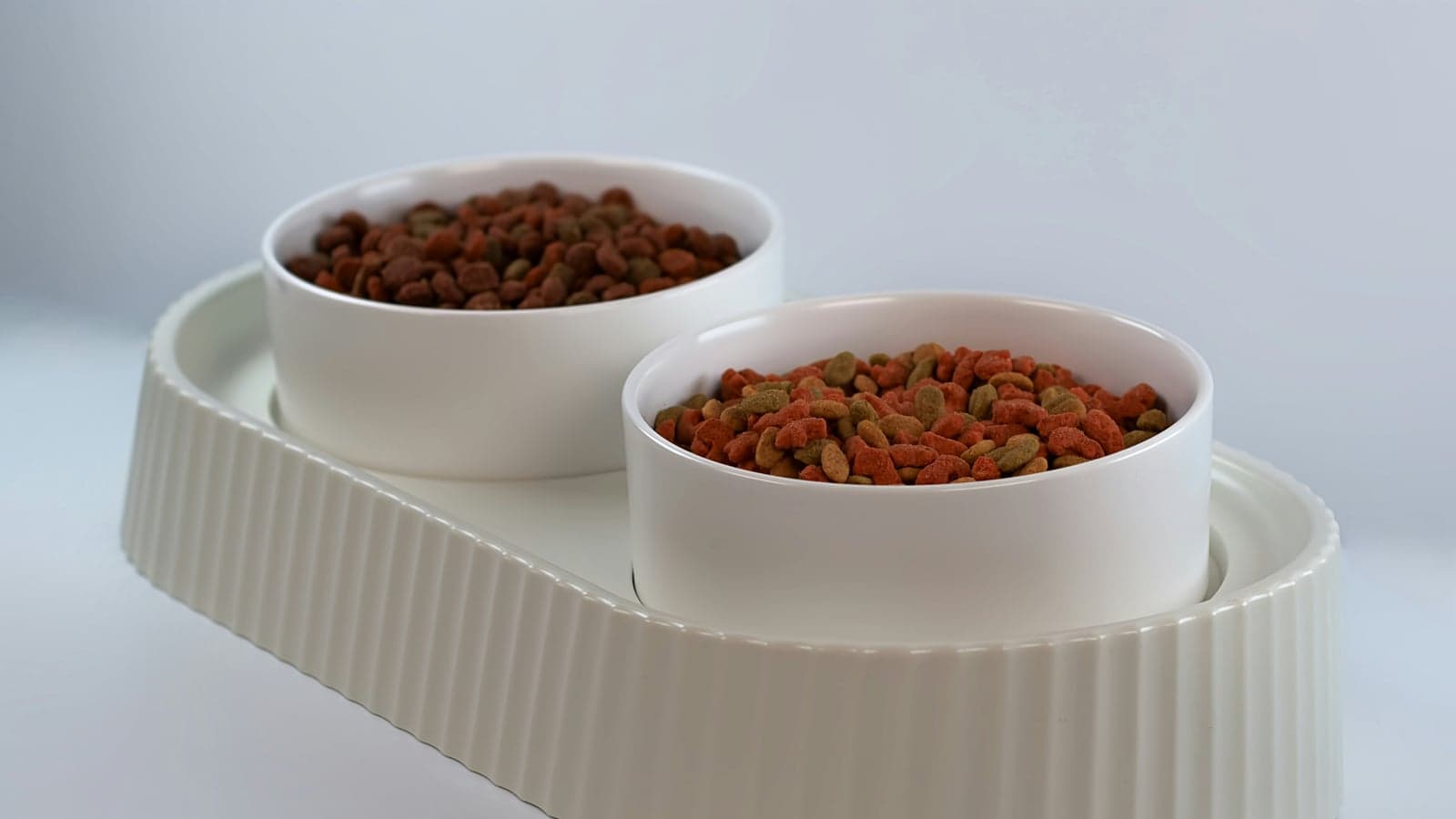
Here's what a typical day looks like for a neutered, normally active 12 kg crossbreed who is fed twice a day. They need around 720 kcal a day, so about 200 g of dry food – the food amount calculator works out the amount for your dog:
7:00 – a short walk, then breakfast (45% of the daily ration, around 90 g). 8:00 – the main walk. During the day, one or two small training treats are fine, already included in the daily amount. 17:30 – a short walk. 18:30 – dinner (55% of the daily ration, around 110 g). 21:00 – the last toilet break, calm and short.
The trick of walking before a meal rather than after it: a tired dog eats more calmly, and digestion can get on with its job in peace.
What we see in the community
The most common question isn't “how often?” but “why won't my dog eat in the morning?”. The answer: usually it's too early, there wasn't enough exercise beforehand, or the evening meal was too big. Move breakfast back by 30 minutes and shift a little more energy to the evening – that often works. If, on the other hand, your dog is eating considerably less overall than usual, our guide Dog not eating will help.
In the DoggoMeal app, you can plan your dog's feeding rhythm in two clicks – including reminders and automatic distribution of the amounts across the day. Get the app here.
Matching calculators, free in your browser
Frequently asked questions
Is feeding once a day unhealthy?
Not necessarily for a healthy, adult, small or medium-sized dog. For large breeds with a deep chest, it's not a good idea because of the risk of bloat.
When exactly does a puppy switch from 4 to 3 meals?
Usually at around three months. It stays at three meals until about six months; after that, two to three are often enough. Very small breeds sometimes benefit from more small portions for longer.
Should I feed my dog before or after a walk?
For large dogs, experts recommend avoiding intense exercise immediately before and after eating – as a rule of thumb, leave about an hour either side. This is one of the measures intended to reduce the risk of bloat.
Sources
This article is based on the following expert sources. You can read how we work under Editorial team & methodology.
- Once-daily feeding is associated with better health in companion dogs: results from the Dog Aging Project – Bray et al., GeroScience (2022), PubMed Central
- Gastric Dilation and Volvulus in Small Animals – Merck Veterinary Manual
- Feeding Practices in Small Animals – Merck Veterinary Manual
Less maths, more cooking.
The article tells you what matters. The DoggoMeal app turns it into a recipe with gram amounts to suit your dog's weight, age, activity and allergies.
- Dog profile
- Recipes with gram amounts
- Allergy warnings
- Doggopedia
Free · no subscription · every feature included


DoggoMeal editorial team
DoggoMeal is a dog nutrition app, founded and run by Kim Marques. Nami, our Shiba, is part of everyday life – her experiences with food changes, bland diets and the like appear in many articles as personal examples.
Our content follows the recommendations of the NRC, WSAVA and FEDIAF. You'll find the sources for this article above under “Sources”. The articles are no substitute for veterinary advice – if your dog has symptoms, please talk to your vet.