
Can dogs eat button mushrooms?
Can my dog eat button mushrooms?Not needed
Cultivated button mushrooms aren't toxic but offer hardly any benefit. Never wild mushrooms.
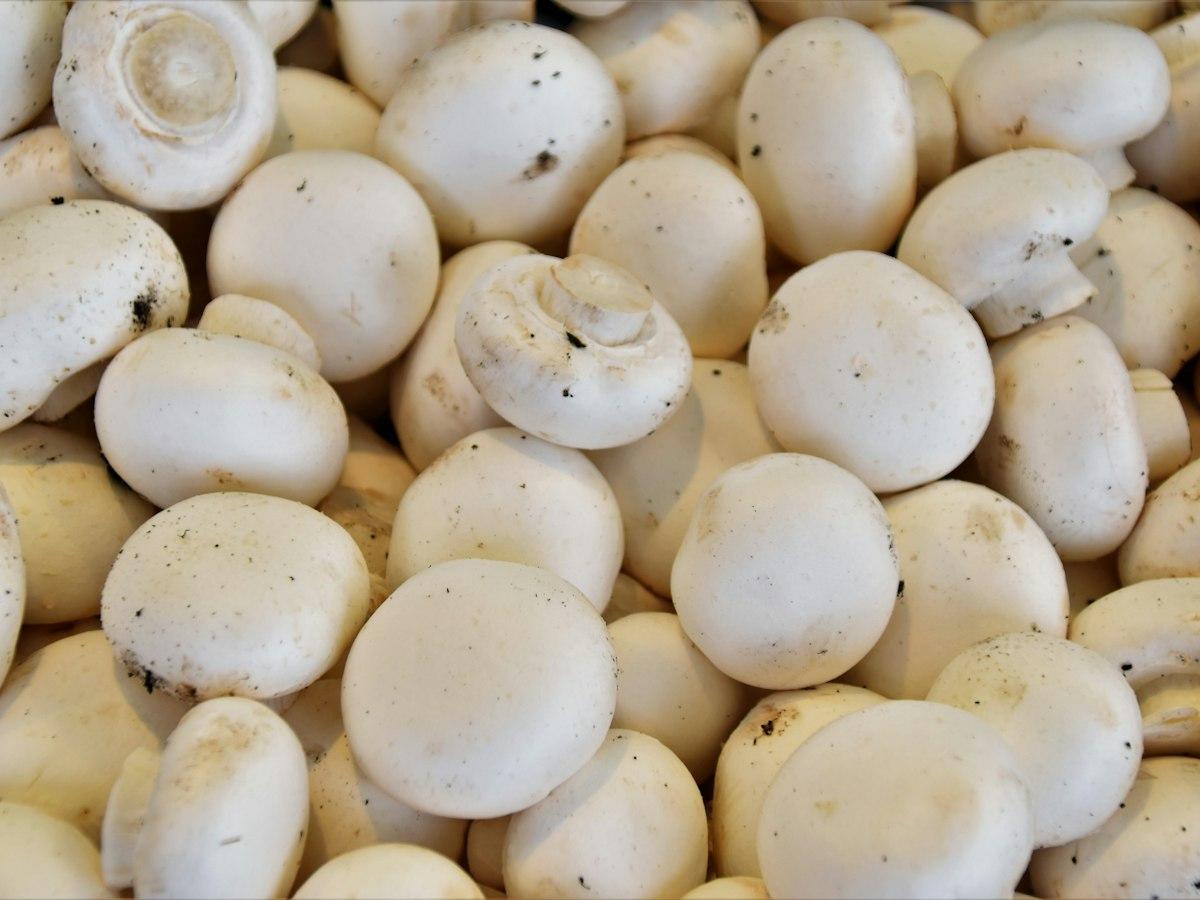
Dogs don't need button mushrooms. According to PetMD and the AKC, cultivated ones from the shop aren't toxic, but they offer your dog hardly any benefit, and the AKC advises against sharing mushroom dishes with your dog at all. Mushrooms from woods, meadows or the garden are off limits, because some of them are deadly. If your dog has eaten a wild mushroom, call your vet straight away. Mushrooms with onions, garlic, butter or salt are not for your dog.
Emergency note
Ate a mushroom in the garden or the woods?
If your dog has eaten a wild mushroom, it is always an emergency according to the AKC and Pet Poison Helpline, even if your dog still seems fine. According to Pet Poison Helpline, some mushroom toxins act within 15 to 30 minutes, others only after up to 24 hours. With death cap mushrooms, according to the AKC, a dog seems to get better after the first stomach and gut symptoms before the liver and kidneys fail. Don't try to identify the mushroom yourself; call straight away.
Possible symptoms
- Vomiting
- Diarrhoea
- Abdominal pain
- Heavy drooling
- Weakness and lethargy
- Staggering
- Tremors
- Seizures
- Yellowing of the skin and gums
When to see a vet?
Immediately, as soon as you suspect it and without waiting for signs: call your vet, an emergency vet or an animal hospital. According to the AKC, bring a sample of the mushroom if you can, wrapped in a damp paper towel and placed in a paper bag. If nothing is left, describe what it looked like and where it grew as well as you can, as PetMD advises.
In an emergency: call your vet or an animal hospital
Outside opening hours, an emergency vet service or an animal hospital can help. Note down the amount, the time and the packaging, and don't try to make your dog vomit yourself. Poison information centres mainly advise on poisoning in people and only help with animals when they have capacity – the first point of contact for your dog is your vet.
What to watch out for
- Wild mushrooms can be deadly. According to Pet Poison Helpline, most confirmed fatal mushroom poisonings in pets are caused by mushrooms of the genera Amanita, Galerina and Lepiota. Amanita includes the death cap and the fly agaric.
- Toxic and harmless mushrooms are hard to tell apart. According to Pet Poison Helpline, any mushroom a pet eats should therefore be treated as toxic until an expert has reliably identified it as harmless.
- Dogs can't recognise toxic mushrooms by smell, says the AKC. Some toxic species such as the death cap even have a fishy smell, which tends to attract dogs.
- Mushrooms from the table are rarely plain. According to PetMD, garlic and onions are toxic to dogs, and salt and butter are very unhealthy. The AKC therefore advises against sharing mushroom dishes with your dog at all.
- Tinned mushrooms are salted: drained, they contain around 425 mg of sodium per 100 g according to the USDA, compared with just 2 mg when cooked without salt.
- According to PetMD, large pieces can be a choking hazard.
- According to PetMD, mushrooms offer dogs no real benefit. As a reward, the AKC recommends a piece of carrot or apple instead.
What to keep in mind day to day
What to look out for
- Only use cultivated button mushrooms from the supermarket or greengrocer
- Wash the mushrooms thoroughly
- Boil or steam them in water without salt, butter or seasoning
- Let them cool and cut them into small pieces
- Set aside your dog's share before you season the rest
- The first time, give just a small piece and watch your dog
Never
- Wild mushrooms from woods, meadows or the garden, even cooked
- Mushrooms you can't be sure are cultivated mushrooms from the shop
- Tinned mushrooms or salted mushrooms from a jar
- Mushrooms with onions, garlic, butter or salt
- Fried mushroom dishes, cream sauce or pizza with mushrooms
- Whole mushrooms or large pieces
How often?
Button mushrooms aren't a snack to give on purpose; according to PetMD, mushrooms offer dogs no real benefit. If your dog snatches a piece of plain cooked cultivated mushroom, that isn't a problem.
Frequently asked questions about button mushrooms
Can dogs eat raw button mushrooms?
According to PetMD, raw cultivated button mushrooms from the shop aren't toxic if they're washed thoroughly and cut into small pieces. We still prefer to give them cooked and plain, so your dog only gets small, soft pieces without anything from the table.
Can dogs eat cooked button mushrooms?
If at all, then boiled or steamed plain in water, without salt, butter or seasoning. That's how PetMD describes it: cultivated mushrooms from the shop, washed thoroughly, prepared plain and cut into small pieces. Your dog doesn't need them.
Can dogs eat fried mushrooms?
Only if they're plain, and from the pan they rarely are. Usually salt, butter, onions or garlic go in too, and according to PetMD onions and garlic are toxic to dogs. Set aside a few pieces for your dog before you season.
Can dogs eat tinned mushrooms or mushrooms from a jar?
Better not. Tinned mushrooms are salted: drained, they contain around 425 mg of sodium per 100 g according to the USDA, compared with just 2 mg when cooked without salt. The same goes for mushrooms from a jar if salt is on the ingredients list. If your dog has snatched a piece, it isn't an emergency.
Can dogs eat wild mushrooms from the woods?
No, never. According to the AKC, toxic and harmless mushrooms are very hard to tell apart, and even experienced foragers make mistakes. Vets therefore advise treating every wild mushroom as toxic. If your dog has eaten one, call your vet straight away.
Can dogs eat other edible mushrooms such as porcini or shiitake?
According to PetMD, cremini, portobello, shiitake, porcini and maitake mushrooms from the shop aren't toxic to dogs either, as long as they're prepared plain. Porcini you've picked yourself, on the other hand, are wild mushrooms and off limits, because according to the AKC even practised foragers mix them up.
Can dogs eat mushrooms in cream sauce?
No. According to the AKC, mushrooms rarely come to the table plain but with sauces and seasoning, and ingredients such as butter, onions and garlic can harm dogs. The AKC therefore advises against sharing mushroom dishes with your dog.
Can puppies eat button mushrooms?
Better to wait. According to PetMD, mushrooms offer dogs no real benefit, and no source gives an amount for puppies. Ask your vet first.
How many button mushrooms can my dog eat?
You don't need to feed any. No source gives an amount, and according to PetMD mushrooms offer dogs no real benefit. If a piece of plain cooked mushroom is left over from cooking, that isn't a problem. According to WSAVA, all treats together stay below 10% of daily calories.
How many calories do button mushrooms have?
Cooked without salt, around 28 kcal per 100 g; a medium-sized button mushroom of about 12 g has around 3 kcal. According to WSAVA, all treats together should make up at most 10% of daily calories. doggomeal.de/en/kalorienbedarf-hund-rechner works out your dog's daily needs.
Are button mushrooms toxic to dogs?
Cultivated button mushrooms from the shop aren't, according to PetMD and the AKC. Wild mushrooms are the danger: according to Pet Poison Helpline, only a small share of species is toxic, but some of them can be deadly, and they're hard to recognise.
How do I recognise mushroom poisoning in my dog?
Depending on the mushroom, by vomiting, diarrhoea, abdominal pain, heavy drooling, staggering, tremors or seizures, and later also yellowing of the skin. According to Pet Poison Helpline, some toxins show within 15 to 30 minutes, others only after up to 24 hours. So don't wait for signs; call your vet straight away.
What should I do if my dog eats mushrooms in the garden?
Call your vet straight away and, as the AKC advises, bring a mushroom as a sample, wrapped in a damp paper towel and placed in a paper bag. According to PetMD, you should also keep an eye on your garden and supervise your dog outside if mushrooms grow there.
Similar foods
- NoVegetablesOnionOnions destroy red blood cells, whether raw, cooked or as a powder.See the answer
- NoVegetablesGarlicGarlic damages red blood cells, whether raw, cooked or as a powder.See the answer
- YesVegetablesCourgetteRaw or cooked, without salt or seasoning; never feed courgettes that taste bitter.See the answer
- In moderationVegetablesBell pepperRipe bell peppers without seeds or stalk, cut small; never hot varieties.See the answer
- YesVegetablesCarrotRaw or cooked, without salt, butter or seasoning, in small pieces; not carrot cake.See the answer
- YesFruitAppleWithout the core, seeds and stalk, cut into slices or small pieces.See the answer
Sources
- Mushrooms – Pet Poison Helpline
- Can Dogs Eat Mushrooms? Why These Fungi Can Be Dangerous – American Kennel Club (AKC)
- Can Dogs Eat Mushrooms? – PetMD
- Feeding treats to your dog – WSAVA Global Nutrition Committee
- Mushrooms, white, cooked, boiled, drained, without salt (SR Legacy, FDC 169252) – USDA FoodData Central
- Mushrooms, canned, drained solids (SR Legacy, FDC 169254) – USDA FoodData Central
Updated: · DoggoMeal editorial team
This page is no substitute for veterinary advice. Dogs with pre-existing conditions – for example of the kidneys, liver or pancreas, or with diabetes – and dogs with allergies often need their own rules. If your dog has symptoms or you're unsure, ask your vet.
Recipes that fit your dog
DoggoMeal is an app for iPhone and Android: you create a profile for your dog, choose a recipe, and the app calculates grams, kcal and portions to suit your dog's weight, age, activity and allergies.
- Dog profile
- Recipes with gram amounts
- Allergy warnings
- Cooking with video
Free · no subscription · every feature included