
Can dogs eat oil?
Can my dog eat oil?Yes
Salmon, flaxseed and rapeseed oil add fatty acids. Keep it small: no frying fat, no essential oils.
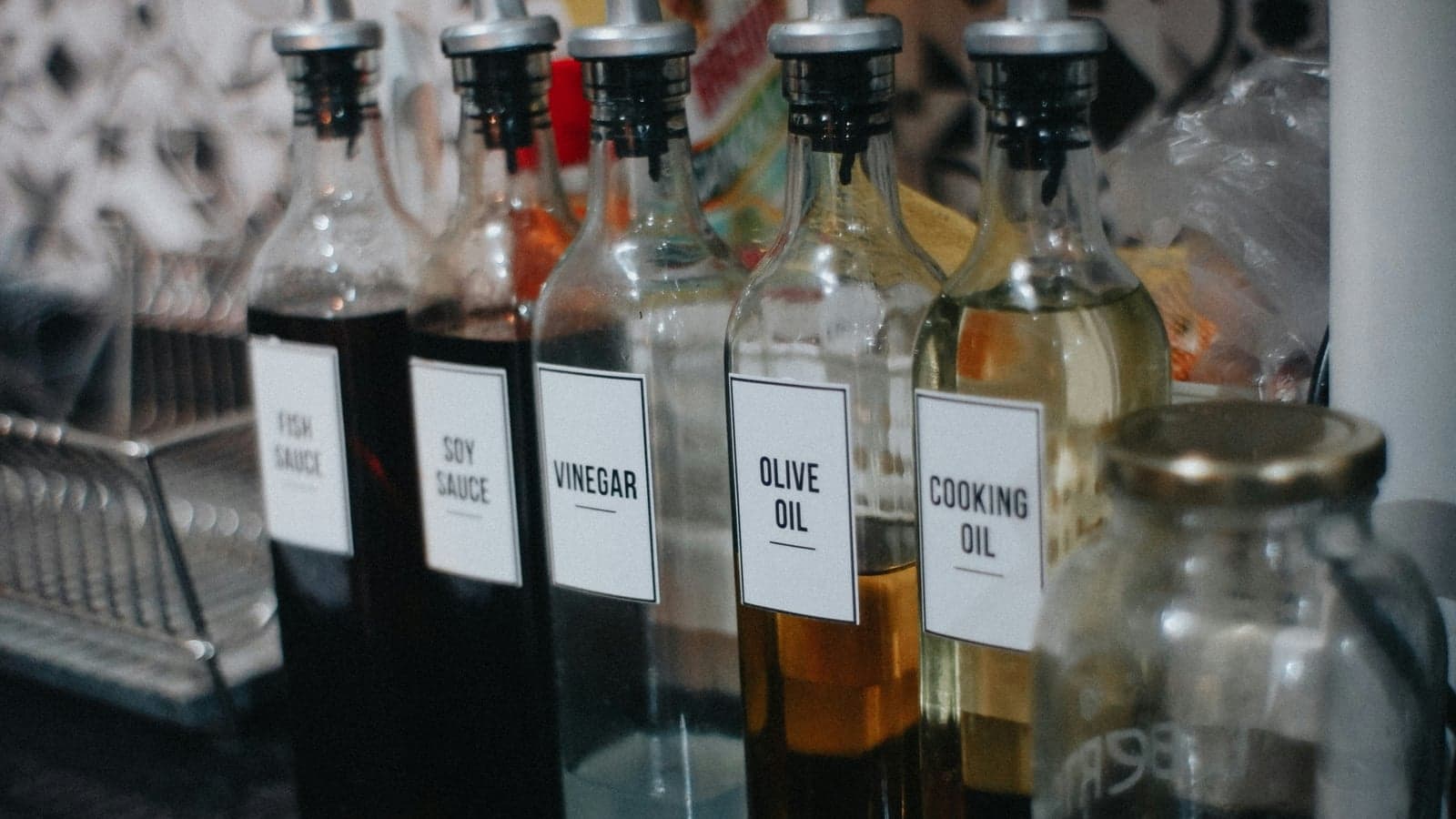
Yes, dogs can have oil, and good oils are a sensible addition: salmon oil provides the omega-3 fatty acids EPA and DHA, while flaxseed and rapeseed oil provide the plant omega-3 fatty acid ALA. Oil is almost pure fat; a teaspoon of rapeseed oil (4.5 g) has around 40 kcal, and too much at once can cause diarrhoea. Fat from the frying pan and essential oils such as tea tree oil do not belong in the bowl.

How much oil can your dog have?
Enter the weight – the amount updates straight away. You can adjust age, activity and neutering below.
How the calculator works
- Daily requirement: Resting energy requirement 70 × 15 kg^0.75 ≈ 534 kcal × factor 1.6 ≈ 855 kcal.
- Treat allowance: at most 10% of that = 86 kcal for all treats combined.
- Calorie limit: 86 kcal ÷ 884 kcal/100 g = 10 g of oil.
- Guide value for dogs 10–25 kg: 1 × teaspoon of oil (approx. 4.5 g) at 4.5 g each = 5 g (cautious guide value set by our editors).
- Recommendation: the smaller of the two, rounded down to half portions → 1 × 4.5 g = 4 g ≈ 35 kcal.
Sources: 10% rule from the WSAVA guide to treats · kcal value: USDA FoodData Central. Daily requirement as in the dog calorie calculator.
Result · 15 kg · Adult
Up to 1
teaspoon of oil (approx. 4.5 g) on a snack day
(≈ 4 g, 35 kcal)
Treat allowance 86 kcal (10% of 855 kcal) · 1 teaspoon of oil (approx. 4.5 g) ≈ 4.5 g
Limited by: guide value
Here the guide value for dogs 10–25 kg sets the limit (cautious guide value set by our editors): at most 1 teaspoon of oil (approx. 4.5 g). In terms of calories, up to 10 g would be possible.
A cautious editorial guide for cooking oils such as rapeseed or flaxseed oil as an extra to commercial food. Dose salmon oil according to the pack or with your vet; in home-cooked food, oil belongs in the recipe.
This applies if it's the only snack that day – if your dog gets other treats too, give correspondingly less.
 The app calculates recipes in grams, kcal and portions to suit your dog's weight, age, activity and allergies.
Oil for dogs: amount by weight
| Weight | Maximum per snack day | kcal |
|---|---|---|
| 5 kg | ½ teaspoon of oil (approx. 4.5 g)≈ 2 g | ≈ 18 |
| 10 kg | ½ teaspoon of oil (approx. 4.5 g)≈ 2 g | ≈ 18 |
| 20 kg | 1 teaspoon of oil (approx. 4.5 g)≈ 4 g | ≈ 35 |
| 30 kg | 2 × teaspoon of oil (approx. 4.5 g)≈ 9 g | ≈ 80 |
| 40 kg | 2 × teaspoon of oil (approx. 4.5 g)≈ 9 g | ≈ 80 |
- All snacks together no more than 10% of daily calories (WSAVA recommendation). If your dog gets other treats too, give correspondingly less.
- Guide value per weight class – small up to 10 kg, medium 10–25 kg, large over 25 kg: A cautious editorial guide for cooking oils such as rapeseed or flaxseed oil as an extra to commercial food. Dose salmon oil according to the pack or with your vet; in home-cooked food, oil belongs in the recipe.
Emergency note
Got into tea tree oil or another essential oil?
Essential oils are not cooking oils. According to Pet Poison Helpline, even a few concentrated drops of tea tree oil, swallowed or on the skin, can cause severe poisoning. Call your vet, an emergency vet or an animal hospital straight away and take the bottle with you. Do not induce vomiting and do not use home remedies. If oil is on the coat or skin, wash it off quickly with washing-up liquid.
Possible symptoms
- Smell of the oil on the coat, skin or breath
- Drooling
- Vomiting
- Weakness or lethargy
- Unsteady gait
- Muscle tremors
- Difficulty breathing
- Redness or burns on the lips, gums, tongue or skin
- Low body temperature
When to see a vet?
Immediately, even if your dog shows no signs yet: according to VCA, the sooner treatment starts, the better the outlook. Tell the vet which oil it was, how much and when. There is no antidote, but with early treatment most dogs survive.
From what amount?
According to Pet Poison Helpline, even a few drops of concentrated tea tree oil can cause severe poisoning. Pet shampoos with less than 1–2% tea tree oil are generally considered non-toxic when used as directed.
In an emergency: call your vet or an animal hospital
Outside opening hours, an emergency vet service or an animal hospital can help. Note down the amount, the time and the packaging, and don't try to make your dog vomit yourself. Poison information centres mainly advise on poisoning in people and only help with animals when they have capacity – the first point of contact for your dog is your vet.
What's in it
- Salmon oil and other fish oils provide the omega-3 fatty acids EPA and DHA. According to Merck, oily fish is the best dietary source of these.
- According to Merck, flaxseed oil is the best dietary source of ALA, an omega-3 fatty acid considered essential for growth and reproduction.
- Rapeseed oil provides linoleic acid (omega-6), which dogs need in their diet, plus ALA: 19 g linoleic acid and 9 g ALA per 100 g, according to USDA.
- Fat helps the body absorb vitamins A, D, E and K.
- According to Merck, fatty acid supplements are often recommended for dogs with dry, flaky skin and a dull coat. Your vet should rule out other causes first.
What to watch out for
- Oil is almost pure fat and very energy-dense: rapeseed oil has 884 kcal per 100 g, a teaspoon around 40 kcal. It counts as a treat, and according to WSAVA all treats together, supplements included, should stay below 10% of daily calories.
- Too much fat at once can cause vomiting and diarrhoea and, in some dogs, pancreatitis.
- If your dog has had pancreatitis or has very high blood fats, ask your vet before giving any oil. According to Merck, severely raised triglycerides are a risk factor, and a low-fat diet is crucial after pancreatitis. Miniature Schnauzers are affected particularly often.
- According to VCA, fish oil can cause mild stomach upset, a fishy odour, an oily coat, itching or flaking skin and slower wound healing. Caution applies with blood thinners, clotting disorders, diabetes, pancreatitis, diarrhoea and in pregnant or nursing dogs.
- Cod liver oil is very high in vitamins A and D: according to USDA, around 4,500 IU vitamin A and 450 IU vitamin D per teaspoon. According to Merck, too much vitamin D raises blood calcium, causes calcification in the kidneys, heart and blood vessels and can be fatal.
- Essential oils such as tea tree oil are not cooking oils. They are concentrated plant compounds, and many are toxic to dogs, whether swallowed or on the skin.
- Oils high in polyunsaturated fatty acids, such as flaxseed oil, spoil faster, as a storage study with dry food showed. Rancid oil smells unpleasant and loses nutrients.
- Frying fat, deep-fat fryer oil and pan leftovers can contain salt, onions or garlic. Onions and garlic damage red blood cells.
How to prepare oil
How to do it
- Choose an oil to suit the goal: salmon or other fish oil for EPA and DHA, flaxseed or rapeseed oil for ALA
- Buy fish oil from a reputable source, ideally a product for dogs with dosing instructions
- Add oil only after cooking, once the food has cooled
- Store it cool, dark and tightly closed, and follow any refrigeration advice on the pack
- Start with a small amount and watch digestion
- Count the oil's calories as part of the day's treats
Better not
- Frying fat, deep-fat fryer oil or oil from the pan
- Essential oils such as tea tree, peppermint, citrus or cinnamon oil
- Oil that smells rancid or is past its date
- Cod liver oil or high doses of fish oil without asking your vet
- Oil for dogs with pancreatitis or raised blood fats without asking your vet
- Flavoured oils with garlic, onion or chilli
How often?
As a supplement in a small, consistent amount, not a splash by guesswork. Alongside commercial food, oil is an extra and counts towards the 10% for treats; in home-cooked food it is part of the recipe.
Frequently asked questions about oil
Can my dog have salmon oil?
Yes, salmon oil is a good source of EPA and DHA. It is still a supplement: choose a product from a reputable source, follow the dosing instructions on the pack and discuss higher amounts with your vet. Also check whether your dog's food already contains fish oil. According to VCA, possible side effects include mild stomach upset, a fishy odour and an oily coat. For salmon as food, see doggomeal.de/en/darf-mein-hund/lachs.
Can my dog have flaxseed oil?
Yes. According to Merck, flaxseed oil is the best dietary source of the plant omega-3 fatty acid ALA. Dogs convert only a little ALA into EPA and DHA, though: in one study, EPA and DHA in the blood did not rise with flaxseed oil, but did with a marine oil. For EPA and DHA, use salmon or another fish oil. Flaxseed oil spoils quickly; keep it cool and use it up promptly.
Can my dog have rapeseed (canola) oil?
Yes. Rapeseed oil provides the essential linoleic acid plus ALA, 19 g and 9 g per 100 g according to USDA. That makes it a good fit for home-cooked food. A teaspoon has around 40 kcal.
Can my dog have olive oil?
Yes, in small amounts like any cooking oil, and it counts towards calories. For omega-3, salmon, flaxseed or rapeseed oil are the better choice: according to Merck, oily fish and flaxseed oil are the best sources.
Can my dog have coconut oil?
According to ASPCA, small amounts are unlikely to cause serious harm. However, the oils in coconut can cause stomach upset, loose stools and diarrhoea. For omega-3, salmon, flaxseed or rapeseed oil is the better choice.
Can my dog have sunflower or safflower oil?
In small amounts, yes. Like other vegetable oils, they provide linoleic acid (omega-6), which according to Merck dogs need in their food. With a complete commercial food, though, a deficiency is extremely rare, according to Merck. For omega-3, oily fish and flaxseed oil are the best sources, according to Merck.
Can my dog have black seed oil?
Only after talking to your vet. We have not found a reliable veterinary source on its benefits or dose in dogs. According to VCA, a natural product is not automatically safe, and herbal remedies and supplements can interact with medicines. If your dog takes any medication, be sure to ask first.
Can my dog have cod liver oil?
Only after talking to your vet. According to USDA, cod liver oil contains around 4,500 IU vitamin A and 450 IU vitamin D per teaspoon. According to Merck, fat-soluble vitamins have more potential for toxicity than water-soluble ones; too much vitamin D raises blood calcium and causes calcification in the kidneys, heart and blood vessels. For omega-3, salmon oil is the better choice.
Can my dog eat frying fat or deep-fat fryer oil?
No. Fat from the pan or fryer is a lot of fat at once. According to ASPCA, fat can cause vomiting and diarrhoea and, in some pets, pancreatitis. It may also contain salt, onions or garlic. According to Merck, signs of pancreatitis include loss of appetite, vomiting, weakness, abdominal pain and diarrhoea. If you see them, call your vet.
Is tea tree oil toxic to dogs?
Yes. Tea tree oil is an essential oil and, according to Pet Poison Helpline, toxic even in a few concentrated drops, whether swallowed or on the skin. It can cause drooling, weakness, tremors, an unsteady gait and a low body temperature. According to VCA, never apply a concentrated essential oil to your dog, and ask your vet before using any.
Can puppies have oil?
It's better to wait and ask your vet first. According to Merck, puppies need linoleic acid as well as the omega-3 fatty acids ALA, EPA and DHA. A complete puppy food already provides them. Only give extra oil, fish oil or cod liver oil after talking to your vet, as according to WSAVA too many extras can unbalance the main diet.
Does my dog need extra oil with commercial food?
Not necessarily. According to Merck, commercial food for adult dogs usually contains 5–15% fat on a dry-matter basis, and with a complete food a deficiency of essential fatty acids is extremely rare. A good oil is then an extra, not a must. If your dog has a dull coat or flaky skin, have your vet find the cause first.
I cook for my dog myself – how much oil should go in?
That depends on the recipe: the type of meat, its fat content and the other ingredients determine how much oil is needed. Work out the ration, for example with doggomeal.de/en/frischfutter-rechner-hund. The basics are in doggomeal.de/en/magazin/selber-kochen-fuer-hunde-anfaenger and doggomeal.de/en/magazin/fett-im-hundefutter. The amount in the calculator on this page is an extra to commercial food.
How can I tell if oil has gone rancid?
By the smell: if your oil smells unusual or unpleasant, throw it away. In a storage study with dry food, oils high in unsaturated fatty acids such as flaxseed oil spoiled faster than saturated fats, and omega-3 fatty acids were lost in the process. Store oil cool, dark and closed; according to VCA, store fish oil as directed on the pack.
Recipes with oil
Ingredients and method are on the website; the app works out the amounts for your dog.
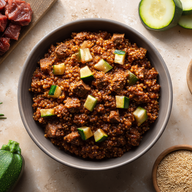 Main DishesBeef & Millet
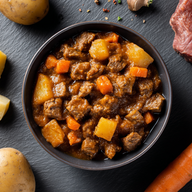 Main DishesBeef & Potato
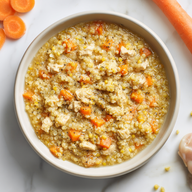 Main DishesChicken & Millet
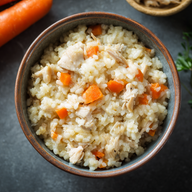 Main DishesChicken & Rice
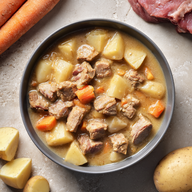 Main DishesLamb & Potato
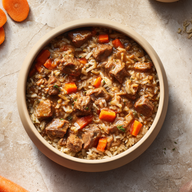 Main DishesLamb & Rice
 MagazineSavoury dog cake with minced beef and carrotFrom “Dog cake with minced beef and carrot”
 MagazineBeginner's daily recipe for dogs – turkey, rice, vegetablesFrom “Homemade dog food”
Similar foods
- In moderationFishSalmonOnly cooked through, boneless and unseasoned, no more than once a week.See the answer
- In moderationFishFishOnly cooked through, boneless and unseasoned; not raw, salted or breaded.See the answer
- In moderationFishTunaOnly rarely and a little: light tinned tuna in water, no added salt; not in oil, not raw.See the answer
- In moderationOtherEggOnly fully cooked, without salt or fat, and no more than once or twice a week.See the answer
- In moderationGrains & sidesOatsPlain and cooked in water, in small amounts and no more than twice a week.See the answer
- YesVegetablesPumpkinCooked and peeled, without seasoning; never bitter or ornamental gourds.See the answer
Sources
- Nutritional Requirements of Small Animals – Merck Veterinary Manual
- Pancreatitis in Small Animals – Merck Veterinary Manual
- Fish Oil – VCA Animal Hospitals
- Essential Oil and Liquid Potpourri Poisoning in Dogs – VCA Animal Hospitals
- Tea Tree Oil – Pet Poison Helpline
- People Foods to Avoid Feeding Your Pets – ASPCA Animal Poison Control
- Feeding treats to your dog – WSAVA Global Nutrition Committee
- Enhanced omega-3 index after long- versus short-chain omega-3 fatty acid supplementation in dogs (Dominguez et al., Vet Med Sci 2021) – Veterinary Medicine and Science, via PubMed Central
- Lipid source and kibble matrix determine oxidative stability and n-3 fatty acid loss in coated extruded dog food (Rankovic et al., J Anim Sci 2026) – Journal of Animal Science, via PubMed Central
- Fish oil, cod liver (SR Legacy, FDC 173577) – USDA FoodData Central
- Oil, canola (SR Legacy, FDC 172336) – USDA FoodData Central (kcal value)
Updated: · DoggoMeal editorial team
This page is no substitute for veterinary advice. Dogs with pre-existing conditions – for example of the kidneys, liver or pancreas, or with diabetes – and dogs with allergies often need their own rules. If your dog has symptoms or you're unsure, ask your vet.
Recipes that fit your dog
DoggoMeal is an app for iPhone and Android: you create a profile for your dog, choose a recipe, and the app calculates grams, kcal and portions to suit your dog's weight, age, activity and allergies.
- Dog profile
- Recipes with gram amounts
- Allergy warnings
- Cooking with video
Free · no subscription · every feature included